In this article
- Why Regular Commercial Car Park Maintenance Matters
- Is There a Set Maintenance Schedule for Commercial Car Parks?
- How Often Should a Commercial Car Park Be Inspected?
- What Should Be Checked During Commercial Car Park Maintenance?
- How Traffic Levels Affect Maintenance Frequency
- How Weather Affects Commercial Car Park Maintenance
- What Happens If Commercial Car Park Maintenance Is Delayed?
- When Does a Commercial Car Park Need Patching?
- When Should a Commercial Car Park Be Resurfaced?
- Does Regular Maintenance Mean a Car Park Never Needs Resurfacing?
- What Is Included in a Professional Car Park Condition Assessment?
- How Can Businesses Reduce Car Park Maintenance Problems?
- How Should Businesses Schedule Commercial Car Park Maintenance?
- Can Commercial Car Park Maintenance Be Completed Without Closing the Site?
- A Practical Commercial Car Park Maintenance Schedule
- Why Drainage Should Be Part of Car Park Maintenance
- How Line Marking Fits Into Car Park Maintenance
- Commercial Car Park Maintenance for Different Property Types
- What Are the Signs That Maintenance Is No Longer Enough?
- How Much Does Commercial Car Park Maintenance Cost?
- Why Professional Car Park Maintenance Can Provide Better Long Term Value
- Frequently Asked Questions
- Final Thoughts
Commercial car parks should be inspected regularly rather than waiting for potholes, cracking, standing water or other visible problems to become serious. There is no single maintenance interval that applies to every commercial car park because the right frequency depends on traffic levels, vehicle types, drainage, surface condition, weather exposure and how heavily the site is used.
As a practical approach, businesses should carry out routine visual checks throughout the year, deal with obvious defects promptly, keep drainage and surfaces clear, and arrange a more detailed condition assessment at least annually. High traffic sites, industrial premises and car parks used by delivery vehicles may need more frequent inspections.
The Health and Safety Executive states that workplace traffic routes must have suitable driving surfaces and should not become so uneven, potholed, sloped or slippery that they create a health and safety risk. HSE guidance also recommends that traffic routes are regularly repaired and maintained.
For commercial property owners and facilities managers, the important question is therefore not simply how many years should pass between maintenance visits. It is whether the car park is being inspected often enough to identify deterioration before it develops into a larger and more expensive problem.
Why Regular Commercial Car Park Maintenance Matters
A commercial car park is exposed to repeated vehicle movements, weather, water, braking, turning, parked vehicles and sometimes heavy commercial traffic. Over time, these pressures can affect the surface and the layers beneath it.
Even a car park that appears to be in good condition can gradually develop defects around entrances, drainage points, corners, turning areas and heavily used parking bays.
Regular maintenance helps businesses identify:
- Potholes
- Cracking
- Surface fretting
- Loose aggregate
- Depressions
- Rutting
- Standing water
- Damaged drainage channels
- Deteriorating edges
- Faded or damaged line markings
- Failed previous repairs
- Areas affected by repeated heavy traffic
The earlier these problems are identified, the more opportunity there is to deal with them before they spread.
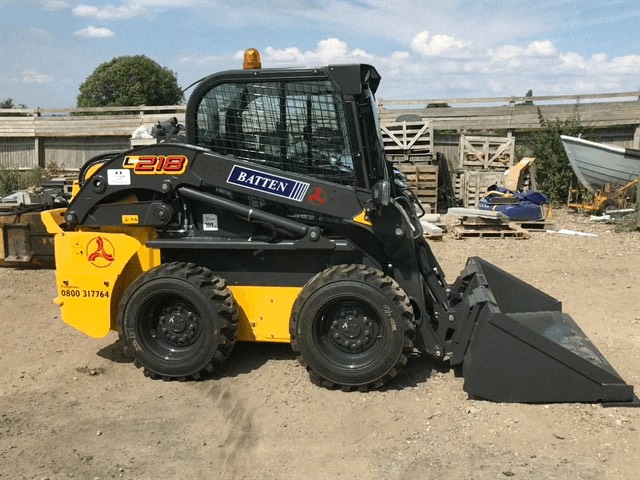
Batten Civil Engineering provides commercial surfacing for roads and car parks across the South East, including patching, resurfacing and related groundwork. The appropriate solution depends on the condition and construction of the individual site.
Is There a Set Maintenance Schedule for Commercial Car Parks?
No. There is no universal rule saying that every commercial car park must receive major maintenance every six months or every year.
Different sites experience very different conditions.
For example, a small office car park used mainly by employees may experience relatively light traffic. A supermarket car park can have continuous vehicle movements throughout the day, while an industrial premises may have delivery vehicles, vans, rigid lorries or other heavy vehicles using the same surface.
The maintenance approach should therefore reflect actual site use.
A useful maintenance programme can include:
Routine visual inspections
Staff or site managers can check the car park regularly for obvious defects. This is particularly useful after periods of heavy rain, freezing weather or unusually heavy vehicle use.
Planned condition checks
A more structured inspection can be completed periodically to identify deterioration that may not yet require immediate repair.
Prompt defect repairs
Potholes, damaged drainage and dangerous uneven areas should not be left until the next scheduled maintenance visit if they present a risk or are likely to worsen.
Annual professional assessment
A professional condition assessment can help identify whether the surface remains suitable for continued patching and maintenance or whether larger works should be planned.
More frequent monitoring for high traffic sites
Industrial estates, retail sites, distribution premises and other heavily used car parks may need closer monitoring because surface deterioration can develop more quickly.
This approach is more useful than relying on an arbitrary resurfacing date.
How Often Should a Commercial Car Park Be Inspected?
A sensible inspection programme can be divided into different levels.
Weekly or routine visual checks
Businesses with active car parks should consider incorporating the surface into routine site checks. The exact frequency should reflect the level of use and the risks present.
Look for obvious changes such as:
- New potholes
- Cracks
- Standing water
- Loose material
- Damaged kerbs
- Blocked gullies
- Damaged covers
- Faded road markings
- Uneven areas
- Evidence of surface movement
The purpose of a routine check is not to perform an engineering survey. It is to identify visible problems early.
Monthly condition monitoring
For many commercial sites, a more deliberate monthly check can provide a useful record of changes.
This can include checking areas that experience the greatest traffic, such as:
- Entrances and exits
- Turning areas
- Delivery routes
- Pedestrian crossing points
- Loading areas
- Drainage locations
- Areas around inspection covers
- Spaces used by heavier vehicles
Keeping simple records can also help identify recurring problems.
For example, if the same section develops a pothole several times, the issue may be deeper than a simple surface defect.
Seasonal checks
Weather can expose weaknesses that were not obvious previously.
Heavy rainfall can reveal drainage problems and standing water. Winter conditions can contribute to deterioration where water enters cracks and affected areas are exposed to repeated temperature changes.
A seasonal inspection is therefore useful even if the car park appeared satisfactory during the previous check.
Annual professional assessment
An annual professional assessment can provide a more detailed overview of the car park’s condition.
This does not necessarily mean the site needs resurfacing every year. Instead, the purpose is to identify developing defects, assess previous repairs and determine whether maintenance, patching, drainage work or future resurfacing should be planned.
What Should Be Checked During Commercial Car Park Maintenance?
A proper maintenance programme should look beyond potholes.
1. Potholes
Potholes are one of the most obvious signs of deterioration. They can develop when water enters damaged areas and repeated vehicle loading causes the weakened material to break apart.
HSE guidance states that potholes should not be allowed to develop and that identified potholes should be repaired promptly.
The important point is that filling a pothole does not always solve the underlying problem.
If the same area fails repeatedly, the cause may involve drainage, weak foundation layers, poor historic construction or repeated heavy loading.
2. Cracking
Small isolated cracks may be manageable, but widespread cracking can indicate that the surface is deteriorating more extensively.
During inspections, businesses should look for:
- Long linear cracks
- Connected cracking
- Cracking around previous repairs
- Cracking near drainage points
- Cracks around edges
- Repeated cracks in vehicle wheel paths
The pattern and extent of cracking can help a contractor determine whether localised repair is appropriate or whether broader resurfacing should be considered.
3. Standing water
Water should not remain on a commercial car park after normal rainfall for extended periods.
Persistent standing water may indicate:
- Blocked gullies
- Damaged drainage
- Incorrect levels
- Surface settlement
- Poor falls
- Depressions in the surface
HSE guidance says workplace driving surfaces should be properly drained and regularly maintained.
Drainage should therefore be treated as part of car park maintenance rather than as a separate issue.
Batten also highlights the importance of investigating drainage when potholes and other defects repeatedly return.
4. Surface fretting
Fretting occurs when aggregate or surface material becomes loose.
A lightly worn area may not require immediate resurfacing, but widespread loss of surface material can indicate that the car park is deteriorating.
Loose material can also affect the appearance and performance of the site.
5. Rutting and depressions
Rutting can develop in areas exposed to repeated wheel movements.
This is particularly relevant around:
- Entrances
- Exits
- Turning areas
- Delivery routes
- Loading zones
- Frequently used parking lanes
If rutting is widespread, it may indicate that the existing surface or underlying construction is no longer coping with the traffic demands.
6. Kerbs and edges
The edges of a car park can experience damage from vehicle movements, water erosion and poor support.
Damaged kerbs should be checked because they can affect drainage and the stability of adjacent surfacing.
7. Drainage channels and gullies
Blocked or damaged drainage can allow water to remain on the surface and enter defects.
Regular maintenance should include checking that gullies, channels and other drainage features are clear and functioning correctly.
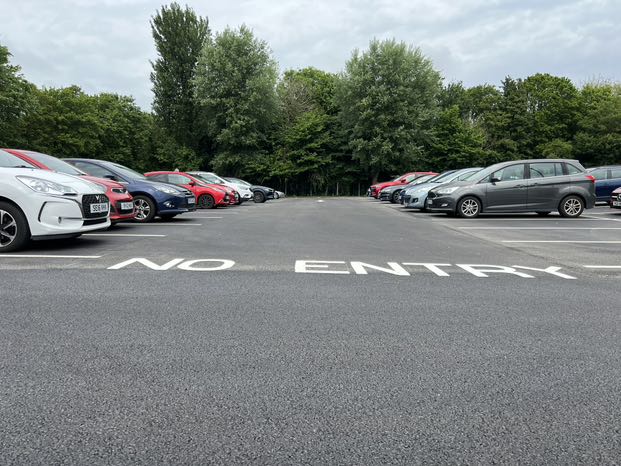
8. Line markings
Parking bays, pedestrian routes, directional markings and other markings can become faded through traffic and weather exposure.
Clear markings help businesses maintain an organised site and can support traffic and pedestrian management.
HSE guidance recommends suitable signs and markings where necessary for workplace transport safety.
Batten also provides commercial line marking services that can be coordinated with wider surfacing work.
How Traffic Levels Affect Maintenance Frequency
Traffic is one of the most important factors when deciding how frequently a commercial car park should be monitored.
A car park used by 20 cars per day will experience different stresses from one handling hundreds or thousands of vehicle movements.
Lightly used office car parks
A typical office car park may mainly accommodate private cars during working hours. Routine inspections may identify relatively slow deterioration.
However, drainage and surface defects should still be monitored.
Retail car parks
Retail car parks can experience frequent vehicle movements, repeated turning and concentrated traffic around entrances and pedestrian areas.
These areas may require more frequent inspection.
Industrial and warehouse sites
Industrial sites can experience heavier loads from vans, delivery vehicles, HGVs and other commercial traffic.
Where heavier vehicles use the car park, the surface construction needs to be suitable for those loads. HSE guidance states that the suitability of a driving surface should take account of the type of activity, the vehicle use and the foundation beneath it.
Mixed use commercial sites
Some sites combine customer parking with delivery access, staff parking, loading and service vehicles.
These sites should be inspected according to the most demanding areas rather than treating the whole car park as though every section experiences the same loading.
How Weather Affects Commercial Car Park Maintenance
Weather does not automatically determine when a car park needs resurfacing, but it can influence how quickly existing defects develop.
Rain is particularly important because water can enter cracks and damaged areas.
If drainage is poor, water can remain around defects and contribute to further deterioration.
Cold weather can also expose existing weaknesses where water has entered damaged areas.
For this reason, businesses should pay particular attention to the car park after:
- Heavy rainfall
- Extended wet periods
- Severe winter weather
- Freeze and thaw conditions
- Storms
- Periods of unusually high traffic
A car park that looks satisfactory during dry weather may reveal drainage or surface problems after significant rainfall.
What Happens If Commercial Car Park Maintenance Is Delayed?
Delaying maintenance does not always create an immediate major problem, but small defects can develop into larger repairs.
For example, a small crack may allow water into the pavement structure. Continued traffic can then place pressure on the weakened area.
A small defect can potentially become:
Crack → water ingress → weakening → surface breakdown → pothole → deeper structural damage
This is why prompt intervention is often more practical than waiting until several defects appear at once.
The HSE specifically advises that potholes should be repaired promptly and that traffic routes should be maintained to provide suitable surfaces for vehicles and people.
When Does a Commercial Car Park Need Patching?
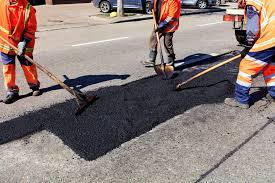
Patching can be suitable when the damage is isolated and the surrounding surface remains structurally sound.
Typical examples include:
- One or two isolated potholes
- Localised surface damage
- A small failed section
- Damage around a specific area
- Limited defects where the rest of the car park remains stable
Batten’s guidance explains that patching can be effective when defects are isolated and the surrounding construction remains suitable.
However, the visible defect should not be treated in isolation.
If a pothole repeatedly returns in exactly the same location, the underlying cause should be investigated.
When Should a Commercial Car Park Be Resurfaced?
Resurfacing may become appropriate when deterioration affects a larger proportion of the site or repeated repairs are no longer providing a sensible long term solution.
Warning signs can include:
- Widespread cracking
- Numerous potholes
- Repeated patch failures
- Extensive fretting
- Widespread rutting
- Persistent surface deterioration
- Drainage problems affecting large areas
- A growing patchwork of previous repairs
- A surface approaching the end of its practical service life
Batten’s guidance on car park patching and full resurfacing explains that the decision should consider the extent of damage, the cause of failure, the condition of the sub base and the traffic using the site.
There is therefore no useful rule such as “resurface every five years”. Two car parks of the same age can be in very different conditions.
Does Regular Maintenance Mean a Car Park Never Needs Resurfacing?
No.
Maintenance can extend the useful life of a car park, but it cannot prevent materials from eventually deteriorating.
A well maintained surface may last longer because defects are identified and addressed before they spread.
However, once deterioration becomes widespread, continuing with small repairs may no longer be the most appropriate strategy.
The objective of maintenance is not to avoid resurfacing forever. It is to manage the condition of the site and make larger interventions when they are justified by the condition of the surface.
What Is Included in a Professional Car Park Condition Assessment?
A professional assessment should consider the whole car park rather than simply identifying visible potholes.
Surface condition
The contractor assesses cracks, potholes, fretting, rutting, settlement and previous repairs.
Drainage
Drainage channels, gullies, falls and areas of standing water should be considered.
Ground conditions
Where visible defects suggest deeper failure, the underlying construction may need further investigation.
Traffic loading
The contractor should understand how the site is actually used, including private cars, vans, delivery vehicles and heavier traffic.
Existing repairs
Previous patches can provide useful evidence about recurring problems.
Future requirements
If the site is expected to experience increased traffic, extensions or changes in use, this should be considered before selecting a maintenance solution.
Batten’s commercial surfacing preparation guidance explains why the foundation, drainage, levels and existing site conditions need to be considered before new surfacing is installed.
How Can Businesses Reduce Car Park Maintenance Problems?
Good maintenance starts before visible damage becomes severe.
Keep drainage clear
Blocked drainage can contribute to standing water and surface deterioration. Gullies and channels should be included in routine site checks.
Deal with potholes promptly
Do not allow small defects to remain until they become larger failures.
Monitor high traffic areas
Entrances, exits and turning areas often experience greater stress than ordinary parking bays.
Record repairs
Keeping a record of where repairs occur can help identify recurring problems.
Review vehicle use
If a site begins receiving heavier vehicles than before, the existing surface may need reassessment.
Maintain line markings
Clear markings help organise parking and traffic movement.
Plan larger work in advance
If resurfacing is likely to be required, planning ahead allows businesses to consider access, parking alternatives and operating schedules.
HSE guidance also recommends considering traffic management and scheduling vehicle movements to avoid overcrowding around workplace routes.
How Should Businesses Schedule Commercial Car Park Maintenance?
Maintenance should be planned around the way the business operates.
For example, a retail site may prefer work outside peak customer periods. An office may be able to schedule works at weekends. An industrial facility may need to coordinate work around delivery schedules.
A maintenance plan can include:
Routine checks
Regular visual inspections identify obvious defects.
Planned maintenance
Drainage cleaning, line marking and minor repairs can be scheduled rather than handled only when problems become urgent.
Professional assessment
A periodic condition survey helps identify whether the surface is deteriorating more widely.
Major works planning
Where resurfacing is required, the project can be planned around business operations.
Batten’s commercial surfacing services cover new car parks, patching and resurfacing, with related drainage, kerbing and other civil engineering work where required.
Can Commercial Car Park Maintenance Be Completed Without Closing the Site?
Often, yes, although the practical approach depends on the size and layout of the car park and the work required.
For larger sites, work can sometimes be divided into sections.
For example:
- Section one is closed for preparation.
- Traffic is redirected to another part of the site.
- Surfacing is completed.
- The section is reopened when appropriate.
- Work moves to the next section.
This approach can reduce disruption, but it needs careful planning.
The contractor should consider:
- Vehicle routes
- Pedestrian routes
- Emergency access
- Delivery access
- Customer access
- Machinery movements
- Material deliveries
- Temporary parking arrangements
HSE guidance says that where maintenance work takes place on or near roads, vehicle traffic should be kept away from people carrying out the work, potentially using barriers, cones or route closures.
A Practical Commercial Car Park Maintenance Schedule
The following is a useful framework rather than a fixed industry rule.
| Maintenance activity | Suggested approach |
| Visual surface checks | Regularly, with frequency based on site usage |
| Pothole and defect checks | During routine inspections and after severe weather |
| Drainage checks | Regularly and particularly before and after periods of heavy rainfall |
| Line marking checks | Periodically and whenever markings become unclear |
| High traffic area monitoring | More frequently on busy commercial sites |
| Minor repairs | Promptly when defects are identified |
| Professional condition assessment | At least annually as a practical management measure |
| Resurfacing review | When repairs become frequent or deterioration becomes widespread |
| The important point is that these are management recommendations, not a universal legal timetable. Site conditions should determine the actual inspection frequency. |
Why Drainage Should Be Part of Car Park Maintenance
Drainage is sometimes overlooked because it is less visible than potholes or cracking.
However, water can be one of the main contributors to pavement deterioration.
If water remains around damaged areas, it can enter the pavement and contribute to weakening below the surface.
A maintenance inspection should therefore consider:
- Blocked gullies
- Damaged channels
- Standing water
- Changes in surface levels
- Water collecting around potholes
- Failed drainage points
- Erosion around edges
If drainage is the cause of recurring damage, simply repairing the surface may not provide a lasting solution.
Batten’s existing guidance similarly recommends investigating drainage where potholes, cracking or settlement repeatedly occur.
How Line Marking Fits Into Car Park Maintenance
Car park maintenance is not only about asphalt.
A well managed commercial car park may also need:
- Parking bay markings
- Disabled parking markings
- Directional arrows
- Pedestrian crossings
- Loading area markings
- Hatched areas
- Traffic routes
- No parking areas
Over time, markings can become faded or damaged.
Refreshing markings can be coordinated with resurfacing so that the finished car park has a consistent layout.
HSE guidance notes that traffic routes should be suitably indicated where necessary for health and safety, with clear signs and markings.
Commercial Car Park Maintenance for Different Property Types
Office car parks
Office sites generally have predictable periods of use. Maintenance can often be planned around working hours and quieter periods.
Retail car parks
Retail car parks require careful consideration of customer access and peak trading periods. Entrance areas and heavily used routes may require closer monitoring.
Industrial estates
Industrial sites may experience heavier vehicles and more frequent turning. Surface construction and maintenance should reflect those loads.
Warehouses and distribution centres
Delivery traffic can place significant pressure on entrances, loading areas and manoeuvring zones.
Hotels and leisure premises
Appearance can be particularly important because the car park forms part of the visitor experience. Drainage, markings and general surface condition should all be monitored.
Schools and public facing premises
Pedestrian movement can be an important consideration, particularly around entrances and crossing points. Maintenance work should be planned to keep people separated from construction activity.
What Are the Signs That Maintenance Is No Longer Enough?
A maintenance programme may reach a point where larger works need to be considered.
Signs include:
- Repairs are becoming increasingly frequent.
- The same defects keep returning.
- Potholes appear in multiple areas.
- Cracking is widespread.
- Standing water affects several sections.
- The surface is visibly breaking down.
- Large parts of the car park have been patched.
- Vehicle movements are increasing.
- The surface no longer appears suitable for the current traffic.
These signs do not automatically mean the whole car park needs resurfacing. A professional assessment should determine whether targeted repairs, deeper reconstruction, drainage work or resurfacing is appropriate.
How Much Does Commercial Car Park Maintenance Cost?
There is no single price because maintenance requirements vary considerably.
Costs can depend on:
- Size of the car park
- Extent of damage
- Number of defects
- Surface material
- Drainage requirements
- Ground conditions
- Traffic requirements
- Access arrangements
- Line marking requirements
- Whether the work is localised or site wide
A small isolated patch is fundamentally different from resurfacing a large commercial car park.
Businesses should therefore avoid choosing a maintenance schedule based solely on price. A planned inspection can help identify whether a minor intervention is currently sufficient or whether delaying larger work could increase future costs.
Why Professional Car Park Maintenance Can Provide Better Long Term Value
Professional maintenance is about more than making a car park look better.
It can help businesses:
- Identify defects earlier
- Understand why failures are occurring
- Reduce avoidable deterioration
- Plan expenditure
- Coordinate drainage and surfacing work
- Reduce unexpected disruption
- Maintain suitable vehicle access
- Keep parking areas usable
A professional contractor can also distinguish between a surface defect and a problem that originates below the surface.
That distinction matters because a new surface cannot compensate for a failed foundation or unresolved drainage problem.
Frequently Asked Questions
How often should a commercial car park be inspected?
There is no single inspection interval that suits every site. Regular visual checks should be incorporated into site management, with more frequent monitoring for busy or heavily trafficked car parks. A more detailed professional assessment at least annually can be a useful management approach.
How often should a commercial car park be resurfaced?
There is no universal resurfacing timetable. Service life depends on construction quality, traffic, drainage, weather, maintenance history and site use. Resurfacing should be considered when deterioration becomes widespread or repeated repairs are no longer appropriate.
Should potholes be repaired immediately?
Potholes should be assessed and repaired promptly, particularly where they could create a risk to drivers or pedestrians. HSE guidance specifically advises that potholes should not be allowed to develop and should be repaired promptly when found.
Can regular maintenance extend the life of a car park?
Yes. Prompt repairs, drainage maintenance and regular inspections can help manage deterioration and extend the useful life of a surface. However, maintenance cannot prevent eventual material ageing or structural failure.
Does poor drainage make car park maintenance more frequent?
It can. Persistent water can contribute to deterioration, particularly where cracks, potholes or weak areas already exist. Drainage should therefore be included in routine car park condition checks.
Does heavy traffic mean a car park needs more maintenance?
Potentially. Heavy and frequent vehicle movements place greater demands on the surface. Industrial, warehouse and delivery sites may therefore require closer monitoring than lightly used office car parks.
Can a commercial car park be maintained while the business remains open?
Often, maintenance and resurfacing can be phased to reduce disruption. The practical solution depends on the layout, traffic requirements, available parking and type of work.
What should businesses do before a professional car park assessment?
Keep records of recurring defects, identify areas with standing water, note changes in vehicle use and explain any operational requirements to the contractor. This information can help the assessment focus on the site’s actual needs.
Final Thoughts
Commercial car parks should be maintained through regular inspection, prompt repairs and planned professional assessments rather than relying on a fixed resurfacing timetable.
For many businesses, a practical approach is to carry out routine visual checks, monitor drainage and high traffic areas, repair defects promptly and arrange a more detailed professional condition assessment at least annually. Busy commercial and industrial sites may need more frequent monitoring.
The key is to respond to the condition of the car park rather than waiting until deterioration becomes widespread.
If you are unsure whether your commercial car park needs routine repairs, patching, drainage work or resurfacing, Batten Civil Engineering can assess the existing surface and help identify the appropriate next step.
Batten Civil Engineering Ltd has provided surfacing and civil engineering solutions since 1993 and works across Sussex, Surrey, Kent and London. To discuss a commercial car park maintenance or resurfacing requirement, contact Batten Civil Engineering or view the Batten Civil Engineering Google Business Profile.
Share