In this article
- Why Preparation Work Is Important Before Commercial Tarmac Surfacing
- Site Survey and Initial Assessment Before Tarmac Installation
- Removing Existing Damaged Surface Materials
- Excavation and Ground Preparation
- Assessing and Improving Ground Conditions
- Installing and Preparing the Sub Base Layer
- Compaction of Foundation Layers Before Tarmac Installation
- Drainage Assessment and Water Management Preparation
- Setting Surface Levels and Preparing Site Edges
- Preparing Access Routes and Managing Site Operations
- Preparing for Different Commercial Tarmac Applications
- Checking Material Requirements Before Installation
- Final Inspection Before Commercial Tarmac Installation
- Common Preparation Mistakes That Cause Commercial Tarmac Failure
- How Long Does Preparation Take Before Commercial Tarmac Surfacing?
- Why Professional Groundwork Improves Tarmac Lifespan
- The Complete Commercial Tarmac Surfacing Process
- Frequently Asked Questions
- Choosing the Right Commercial Tarmac Surfacing Contractor
- Final Thoughts
Commercial tarmac surfacing is only as strong as the preparation completed before the final surface is installed. While the finished tarmac layer provides the visible driving surface, the groundwork beneath it determines how well it performs under daily vehicle movements, weather conditions, and long term use.
For commercial sites such as car parks, access roads, industrial yards, and business premises, proper preparation is essential. A poorly prepared foundation can lead to cracking, potholes, water damage, and premature surface failure, even when high quality tarmac materials are used.
Before commercial tarmac surfacing begins, contractors assess the existing site conditions, prepare the ground, manage drainage, establish correct levels, and create a stable foundation that can support the expected traffic demands.
Understanding the preparation process helps businesses make informed decisions and recognise why professional groundwork is a vital part of any successful surfacing project.
Why Preparation Work Is Important Before Commercial Tarmac Surfacing
Tarmac surfaces experience constant pressure from vehicles, environmental conditions, and daily use. Commercial areas often face higher demands than residential driveways because they may need to support:
- Frequent vehicle movements
• Delivery vehicles
• Heavy commercial traffic
• Large numbers of parked vehicles
• Different weather conditions throughout the year
The purpose of preparation work is to create a strong base that distributes these pressures evenly.
A properly prepared surface helps prevent:
- Cracking
• Surface movement
• Pothole formation
• Water damage
• Uneven areas
• Early maintenance requirements
Preparation is not simply about making the area look ready for tarmac. It involves creating the structural conditions needed for long term performance.
Site Survey and Initial Assessment Before Tarmac Installation
The first stage of preparation is a detailed site assessment. Before any excavation or surfacing work begins, contractors need to understand the current condition of the site.
During a commercial tarmac survey, contractors assess:
- Existing surface condition
• Ground stability
• Drainage performance
• Traffic requirements
• Access restrictions
• Site measurements
• Potential construction challenges
This assessment helps determine what preparation work will be required.
For example, a commercial area with a stable existing foundation may only require limited preparation before resurfacing. However, a damaged car park with poor drainage and weak ground conditions may require more extensive groundwork.
A professional survey prevents contractors from applying tarmac over unsuitable conditions that could cause future problems.
Batten Ltd approaches commercial surfacing projects by assessing the complete site requirements, including surfacing, groundwork, drainage, and access considerations. Their commercial surfacing services provide solutions designed around individual project conditions.
Removing Existing Damaged Surface Materials
If an existing surface is damaged or unsuitable, the first physical preparation step may involve removing sections of the old material.
Existing surfaces may be removed because of:
- Severe cracking
• Multiple failed repairs
• Structural damage
• Uneven areas
• Surface deterioration
• Poor previous installation
Removing damaged materials allows contractors to address the underlying problems rather than covering them with a new layer.
Simply installing new tarmac over a failed surface can transfer existing problems into the new construction. Cracks, weak areas, and movement beneath the surface may continue affecting performance.
The amount of removal required depends on the condition of the existing area.
Some projects may only require localised removal, while others may need complete excavation before rebuilding the surface structure.
Excavation and Ground Preparation
After removing unsuitable materials, contractors prepare the ground beneath the future tarmac surface.
The ground preparation stage focuses on creating a stable foundation capable of supporting expected loads.
This may involve:
- Excavating weak ground areas
• Removing unsuitable soil
• Adjusting levels
• Improving ground stability
• Preparing the formation layer
Commercial surfaces require stronger foundations than many residential applications because they often experience heavier usage.
For example, an industrial access road used by delivery vehicles requires a stronger construction approach compared with a small staff parking area.
Ground preparation ensures the finished surface has the support needed to handle these demands.
Assessing and Improving Ground Conditions
The condition of the ground beneath a tarmac surface has a major effect on its lifespan.
Contractors assess whether the existing ground provides sufficient support or whether improvements are required.
Potential ground problems include:
- Soft areas
• Poor soil conditions
• Excess moisture
• Settlement risks
• Uneven foundation levels
If weak areas are identified, contractors may need to strengthen the foundation before installing tarmac.
This can involve:
- Replacing unsuitable material
• Adding stronger foundation layers
• Improving compaction
• Installing additional drainage solutions
Ignoring ground problems can result in movement beneath the tarmac, leading to cracking and surface failure.
Installing and Preparing the Sub Base Layer
The sub base is one of the most important parts of commercial tarmac construction.
It provides structural support between the ground and the final surface layer.
A properly prepared sub base helps:
- Distribute vehicle loads
• Improve stability
• Reduce movement
• Support long term durability
During preparation, contractors ensure the sub base material is installed correctly and compacted thoroughly.
The choice of sub base depends on factors such as:
- Expected traffic levels
• Ground conditions
• Surface type
• Site usage
Commercial areas with heavy traffic require stronger construction methods to maintain performance over time.
Compaction of Foundation Layers Before Tarmac Installation
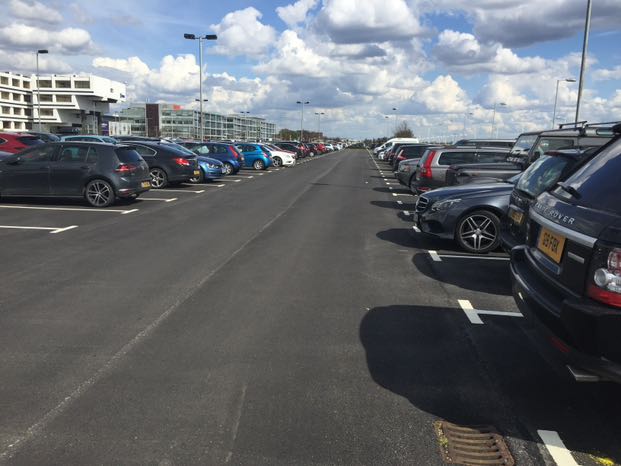
Compaction is a critical preparation stage before commercial tarmac surfacing.
Loose materials can shift under pressure, causing the finished surface to become uneven or damaged.
Contractors use specialist equipment to compact foundation layers and create a stable base.
Proper compaction helps:
- Increase surface strength
• Reduce settlement risks
• Improve load distribution
• Create a stable platform for tarmac installation
Insufficient compaction is one of the common reasons surfaces fail prematurely.
A professional surfacing contractor ensures each layer is properly prepared before moving to the next stage.
Drainage Assessment and Water Management Preparation
Drainage is a major factor in commercial tarmac performance. Water is one of the leading causes of surface deterioration when it is not managed correctly.
Before tarmac installation, contractors assess:
- Existing drainage systems
• Surface levels
• Water flow routes
• Areas where water collects
• Condition of drainage channels
If drainage issues exist, improvements may be required before the final surface is installed.
Drainage preparation may include:
- Installing drainage channels
• Improving gradients
• Repairing existing systems
• Creating suitable falls for water movement
A properly prepared commercial surface should allow water to drain effectively rather than allowing moisture to weaken the structure.
Information on sustainable drainage principles and surface water management can also be found through GOV.UK Sustainable drainage systems guidance.
Setting Surface Levels and Preparing Site Edges
Before commercial tarmac is installed, contractors establish accurate levels across the site. Correct levels are essential because they influence drainage, accessibility, vehicle movement, and the overall performance of the finished surface.
During this stage, contractors consider:
• Existing ground levels
• Connections with surrounding areas
• Drainage gradients
• Access points
• Kerb positions
• Pedestrian routes
Incorrect levels can create problems such as standing water, uneven transitions, and difficult access for vehicles.
For commercial sites, these details are particularly important because surfaces often connect with buildings, loading areas, walkways, and existing roads.
Edge preparation is also an important part of the process. Strong edges help prevent the tarmac from breaking away over time, especially in areas exposed to regular vehicle movements.
Preparation may include:
• Installing kerbs or edging systems
• Strengthening vulnerable boundaries
• Defining the surfacing area
• Creating clean transitions between surfaces
A properly prepared edge improves both the appearance and durability of the finished commercial surface.
Preparing Access Routes and Managing Site Operations
Commercial tarmac projects require careful planning around existing site operations. Unlike residential projects, commercial properties often continue operating while construction work takes place.
Before work begins, contractors assess:
• Vehicle access requirements
• Delivery schedules
• Customer movement
• Employee access
• Emergency routes
• Machinery access
This information helps create a practical construction plan that reduces disruption.
For example, a warehouse may require continued access for delivery vehicles, while an office complex may need alternative parking arrangements during construction.
A phased approach may be used where necessary, allowing sections of the site to remain operational while other areas are prepared and surfaced.
Preparing for Different Commercial Tarmac Applications
The preparation process can vary depending on how the finished surface will be used. Commercial sites have different requirements based on traffic levels and operational demands.
Commercial Car Parks
Car parks require preparation that can support repeated vehicle movements while providing a safe and attractive surface.
Preparation may include:
• Assessing parking layouts
• Improving drainage
• Creating suitable foundation layers
• Planning line marking requirements
Industrial Yards
Industrial yards often experience heavier loading from commercial vehicles and machinery.
Preparation may require:
• Stronger foundation construction
• Additional ground improvement
• Enhanced drainage planning
• Increased surface thickness
Access Roads
Commercial access roads must withstand regular traffic while allowing safe movement around a site.
Preparation focuses on:
• Ground stability
• Traffic requirements
• Drainage performance
• Long term durability
Understanding how the area will be used allows contractors to select the correct preparation methods.
Checking Material Requirements Before Installation
Before tarmac installation begins, contractors confirm that all required materials, equipment, and resources are available.
Planning includes:
• Selecting suitable tarmac materials
• Confirming quantities
• Organising machinery
• Scheduling delivery
• Coordinating installation teams
Material selection depends on factors such as:
• Expected traffic levels
• Surface purpose
• Climate exposure
• Maintenance expectations
Using unsuitable materials can reduce performance and increase future maintenance requirements.
Professional contractors assess the complete project requirements before selecting the appropriate surfacing solution.
Final Inspection Before Commercial Tarmac Installation
Before the first layer of tarmac is installed, contractors complete final preparation checks.
This inspection ensures:
• Ground levels are correct
• Foundation layers are stable
• Drainage systems are ready
• Edges are prepared
• The surface area is suitable for installation
Any issues identified at this stage can be corrected before surfacing begins.
This quality control step helps prevent problems that could affect the finished surface.
Common Preparation Mistakes That Cause Commercial Tarmac Failure
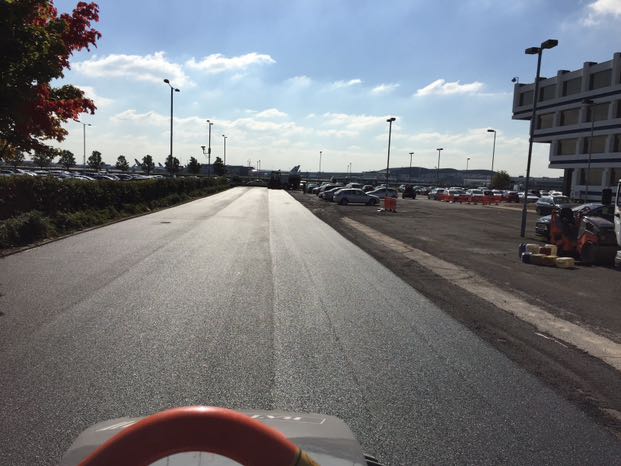
Many commercial tarmac problems are caused by poor preparation rather than the surface material itself.
Common mistakes include:
Installing Tarmac Over Weak Foundations
A strong surface cannot compensate for an unstable foundation. Weak ground movement can eventually damage the tarmac layer.
Ignoring Drainage Problems
Water trapped beneath or on top of the surface can accelerate deterioration and cause cracking.
Insufficient Compaction
Poorly compacted foundation layers can settle over time, creating uneven surfaces.
Skipping Site Assessment
Without proper inspection, contractors may miss important issues affecting long term performance.
Choosing Short Term Solutions
Applying a thin surface layer over serious structural problems may only delay failure rather than solving it.
Proper preparation prevents these issues and helps ensure the finished surface performs as expected.
How Long Does Preparation Take Before Commercial Tarmac Surfacing?
The preparation timeframe depends on the condition and complexity of the site.
Factors affecting preparation time include:
• Site size
• Existing surface condition
• Ground stability
• Drainage requirements
• Required excavation
• Access restrictions
A small commercial resurfacing project with a stable foundation may require limited preparation.
A larger site with drainage problems, damaged foundations, or heavy traffic requirements may require several stages of groundwork before tarmac installation.
A professional contractor will provide a realistic timeline after completing a detailed site assessment.
Why Professional Groundwork Improves Tarmac Lifespan
Commercial tarmac is designed to provide a durable surface, but its performance depends heavily on the preparation beneath it.
Professional groundwork helps:
• Improve structural strength
• Reduce cracking risks
• Prevent surface movement
• Improve drainage performance
• Extend maintenance intervals
For commercial property owners, investing in proper preparation reduces the likelihood of costly repairs in the future.
Batten Ltd combines commercial surfacing with groundwork and civil engineering expertise, allowing projects to be planned from the foundation level through to the finished surface.
Their groundwork services support projects where strong foundations and reliable preparation are essential.
The Complete Commercial Tarmac Surfacing Process
A typical commercial tarmac project follows these stages:
1. Site Survey
The contractor assesses existing conditions, traffic requirements, drainage, and access.
2. Planning
A project plan is developed based on the survey findings.
3. Surface Removal and Excavation
Damaged materials and unsuitable ground are removed where required.
4. Ground Improvement
Weak areas are strengthened and foundation layers are prepared.
5. Drainage Preparation
Water management systems are assessed and improved if needed.
6. Sub Base Installation
A stable foundation layer is created and compacted.
7. Tarmac Installation
The final surface layers are applied and finished.
8. Line Marking and Completion
Final markings and finishing details are completed before handover.
Each stage contributes to creating a reliable commercial surface.
Businesses looking for complete road and car park surfacing solutions can explore Batten Ltd’s road and car park surfacing services.
Frequently Asked Questions
Why is preparation important before commercial tarmac surfacing?
Preparation creates the stable foundation required for long term surface performance. Without proper groundwork, tarmac can experience cracking, movement, and early failure.
What preparation is needed before laying commercial tarmac?
Preparation may include site assessment, excavation, ground improvement, drainage work, sub base installation, compaction, and level adjustments.
Can new tarmac be installed over old tarmac?
In some cases, yes. However, contractors must assess the existing surface condition first. If the foundation is damaged, removal and reconstruction may be required.
How long does commercial tarmac preparation take?
The duration depends on site size, ground conditions, drainage requirements, and the amount of preparation required.
Does drainage need to be considered before tarmac installation?
Yes. Effective drainage prevents water damage and helps protect the surface structure over time.
Choosing the Right Commercial Tarmac Surfacing Contractor
The success of a commercial tarmac project depends on choosing a contractor who understands both preparation and installation.
Businesses should look for contractors with experience in:
• Commercial surfacing projects
• Ground preparation
• Drainage solutions
• Traffic management planning
• Long term maintenance considerations
A contractor who manages preparation correctly can deliver a surface that performs better and requires fewer repairs.
Batten Ltd provides surfacing and civil engineering solutions for commercial clients, combining practical site assessment with experienced installation.
Businesses can view their services, location information, and customer reviews through their Batten Ltd Google Business Profile.
Final Thoughts
Preparation work is the foundation of every successful commercial tarmac surfacing project. The visible surface is only one part of the construction process. The strength, drainage, and stability beneath it determine how well the finished area performs over time.
A professional approach includes detailed assessment, proper groundwork, drainage planning, accurate levels, and thorough compaction before tarmac installation begins.
For businesses, investing in correct preparation helps create safer surfaces, reduces future maintenance requirements, and ensures the finished area can handle the demands of daily commercial use.
Share