In this article
- Why Is a Commercial Surfacing Site Survey Important?
- Initial Assessment of the Existing Surface
- Evaluating Ground Conditions Before Surfacing Work
- Measuring the Site and Planning Surfacing Requirements
- Assessing Drainage Requirements
- Understanding How the Site Will Be Used
- Reviewing Site Access and Construction Challenges
- Checking Safety Requirements and Site Conditions
- Reviewing Materials and Surfacing Options
- Assessing Car Park Requirements During a Commercial Survey
- Identifying Drainage and Water Management Issues
- Discussing Project Requirements With the Client
- Creating a Surfacing Plan and Project Recommendation
- How Site Surveys Help Control Commercial Surfacing Costs
- Planning Construction Around Business Operations
- Preparing for Line Marking and Final Surface Layout
- What Information Should a Commercial Surfacing Survey Report Include?
- How Long Does a Commercial Surfacing Site Survey Take?
- What Happens After a Commercial Surfacing Site Survey?
- Frequently Asked Questions About Commercial Surfacing Site Surveys
- Choosing the Right Commercial Surfacing Contractor
- Final Thoughts
A commercial surfacing project starts with a detailed site survey. Before any tarmac, asphalt, resin bound surfacing, or repair work begins, contractors need to understand the condition of the existing surface, the ground beneath it, drainage requirements, access limitations, and the expected use of the finished area.
A professional commercial surfacing site survey allows contractors to identify potential issues before construction begins. It helps create an accurate project plan, prevents unexpected costs, and ensures the finished surface is suitable for vehicles, pedestrians, and daily site operations.
For businesses, industrial sites, car parks, private roads, and public facilities, a site survey is an important stage that determines whether the surfacing solution will provide long term performance.
Why Is a Commercial Surfacing Site Survey Important?
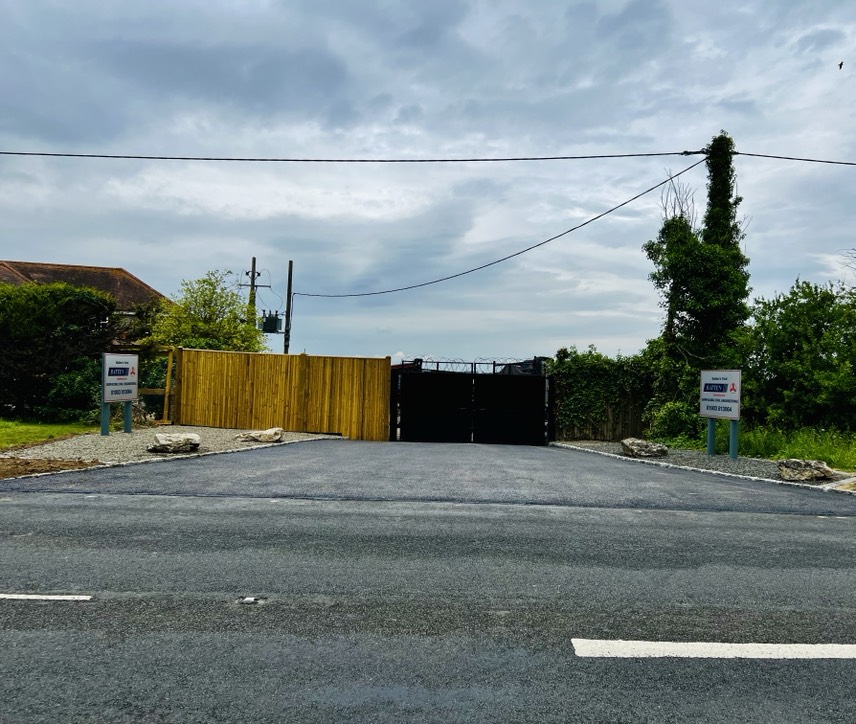
Our Yard Entrance
Commercial surfaces experience higher levels of use compared with residential areas. Car parks, loading areas, access roads, and industrial yards must handle repeated vehicle movements, heavy loads, weather exposure, and safety requirements.
A site survey allows surfacing contractors to assess these demands before recommending a solution. Without proper assessment, problems such as surface failure, drainage issues, cracking, and premature deterioration can occur.
During the survey, contractors collect information about:
- Existing surface condition
• Ground stability
• Drainage performance
• Traffic levels
• Site access requirements
• Safety considerations
• Future maintenance needs
This information helps determine whether the project requires resurfacing, full reconstruction, repairs, drainage improvements, or additional groundwork.
For commercial clients, this planning stage reduces disruption and ensures the proposed solution matches the requirements of the site.
Initial Assessment of the Existing Surface
The first stage of a commercial surfacing site survey involves inspecting the current surface condition. Contractors examine visible signs of damage and identify areas that may require additional attention.
Common issues assessed include:
Cracks and Surface Breakdowns
Cracks can indicate problems beneath the surface rather than only surface level damage. Contractors check whether cracks are caused by ageing materials, ground movement, poor installation, drainage problems, or excessive loading.
Small surface cracks may require repairs, while widespread cracking may indicate that a complete resurfacing solution is required.
Potholes and Surface Failures
Potholes usually develop when water enters damaged areas and weakens the underlying layers. During a survey, contractors identify damaged sections and assess whether repairs will provide a suitable long term solution.
Uneven Areas and Surface Movement
Uneven surfaces can create safety risks and affect vehicle movement. Surveyors check for dips, raised sections, settlement, and areas where the surface has moved due to ground conditions.
Existing Repairs
Previous patch repairs are also inspected. Poor quality repairs may indicate underlying issues that need addressing before new surfacing is installed.
A detailed assessment ensures that the recommended surfacing method addresses the actual cause of problems rather than only improving the appearance.
Evaluating Ground Conditions Before Surfacing Work
The strength of any commercial surface depends on the condition of the ground beneath it. A visually damaged surface may be caused by problems within the foundation layers.
During a site survey, contractors assess:
- Subgrade condition
• Existing foundation materials
• Areas of weakness
• Ground movement risks
• Suitability for proposed traffic levels
For high traffic commercial areas, the foundation must provide sufficient support. Industrial yards, delivery areas, and commercial car parks often require stronger construction methods compared with low traffic areas.
If weak ground conditions are identified, groundwork improvements may be required before surfacing installation begins.
This assessment helps prevent future failures and improves the lifespan of the finished surface.
Measuring the Site and Planning Surfacing Requirements
Accurate measurements are a key part of the survey process. Contractors measure the area to calculate material requirements, labour requirements, and project costs.
Measurements may include:
- Total surface area
• Road widths
• Parking bay dimensions
• Access routes
• Existing levels
• Edges and boundaries
These details allow contractors to prepare an accurate quotation and avoid material shortages or unnecessary costs.
For commercial projects, measurements also help with planning traffic management arrangements and construction phases.
Assessing Drainage Requirements
Drainage is one of the most important factors considered during a commercial surfacing survey.
Poor drainage can cause standing water, surface damage, frost damage, and reduced lifespan. Before recommending a surfacing system, contractors inspect how water currently moves across the site.
The survey may include checking:
- Existing drainage channels
• Gullies and drains
• Surface gradients
• Areas where water collects
• Condition of existing drainage systems
If drainage problems are identified, improvements may be recommended before surfacing begins.
A well designed drainage system protects the surface and reduces future maintenance requirements.
Batten Ltd provides surfacing and groundwork solutions designed around the specific requirements of each site, including drainage considerations and surface preparation. More information about their services can be found through their commercial surfacing services.
Understanding How the Site Will Be Used
A commercial surfacing survey is not only about inspecting the existing surface. Contractors also need to understand how the area will operate after completion.
The expected use of the site affects the recommended construction method.
Surveyors consider:
Vehicle Types
A car park used mainly by staff vehicles has different requirements from an industrial yard used by delivery trucks.
Heavy vehicles create greater pressure on the surface structure, meaning stronger materials and foundations may be required.
Traffic Frequency
The number of daily vehicle movements influences surface design. High traffic areas require solutions that can withstand repeated loading.
Operational Requirements
Commercial sites often need to remain operational during construction. Surveyors consider access points, delivery schedules, pedestrian routes, and working restrictions.
This information allows contractors to develop a practical construction plan that minimises disruption.
Reviewing Site Access and Construction Challenges
Access conditions can significantly affect how a surfacing project is completed.
During the survey, contractors examine:
- Entry and exit points
• Vehicle access for machinery
• Storage areas for materials
• Working space availability
• Restrictions around neighbouring properties
Large surfacing machinery requires sufficient access space. If access is limited, contractors may need alternative methods or phased construction.
Understanding these challenges before work begins helps avoid delays and improves project efficiency.
Checking Safety Requirements and Site Conditions
Commercial surfacing projects often involve active workplaces. Safety requirements must be considered during planning.
Surveyors review:
- Pedestrian movement
• Vehicle routes
• Existing hazards
• Safety markings
• Required signage areas
For commercial car parks and industrial sites, the final design may include line markings, pedestrian areas, loading zones, and traffic management features.
A proper survey ensures the completed surface supports safe movement across the site.
Reviewing Materials and Surfacing Options
After assessing the site conditions, contractors review which surfacing materials are suitable for the project. The correct material depends on factors such as traffic levels, budget, appearance requirements, maintenance expectations, and how the area will be used.
A commercial surfacing survey helps determine whether the site requires:
• Tarmac surfacing
• Asphalt surfacing
• Resin bound surfacing
• Surface repairs
• Full reconstruction
• Specialist commercial solutions
Each material has different performance characteristics. For example, areas exposed to frequent vehicle movements may require a stronger construction build-up, while pedestrian areas may prioritise appearance and accessibility.
The survey allows contractors to recommend a solution based on practical requirements rather than choosing a surface based only on appearance or initial cost.
Assessing Car Park Requirements During a Commercial Survey
Car parks are one of the most common commercial surfacing projects and require careful planning. A site survey helps contractors understand the number of vehicles using the area, parking arrangements, drainage requirements, and safety considerations.
During a car park survey, contractors review:
• Parking capacity
• Vehicle circulation routes
• Entrance and exit points
• Disabled parking requirements
• Pedestrian walkways
• Line marking requirements
• Drainage performance
A poorly planned car park can create issues such as congestion, standing water, unclear traffic movement, and safety risks.
Professional contractors use survey information to design a surface layout that supports efficient vehicle movement and long term durability.
Businesses planning improvements to existing parking areas can benefit from understanding the complete process involved in car park surfacing solutions before starting construction.
Identifying Drainage and Water Management Issues
Water management is a major consideration during any commercial surfacing survey. Many surface failures occur because water is unable to drain correctly.
During the inspection, contractors identify:
• Areas where water collects
• Damaged drainage channels
• Incorrect surface falls
• Blocked drainage systems
• Water movement across the site
Standing water can weaken surfacing materials over time and create additional repair costs. Freeze and thaw cycles can make these issues worse by expanding existing cracks and damaging the surface structure.
Where required, contractors may recommend drainage improvements, additional channels, or adjustments to surface levels.
The survey provides the information needed to create a surface that performs effectively in different weather conditions.
Guidance on managing surface water and sustainable drainage systems is also available through GOV.UK Sustainable drainage systems guidance.
Discussing Project Requirements With the Client
A commercial surfacing survey is also an opportunity for contractors to understand the client’s objectives.
Every site has different priorities. A warehouse may need improved heavy vehicle access, while an office complex may focus on appearance and visitor parking.
During discussions, contractors may ask:
• What problems are currently affecting the surface?
• How is the area used daily?
• Are there future expansion plans?
• Are there specific deadlines?
• Are there access restrictions?
• Does the site need phased construction?
Understanding these requirements allows contractors to create a solution that supports the business operation.
A detailed survey combines technical assessment with client expectations to produce a practical project plan.
Creating a Surfacing Plan and Project Recommendation
Once the survey is complete, contractors use the collected information to prepare recommendations.
The survey findings help determine:
• Required preparation work
• Suitable surfacing materials
• Estimated project duration
• Machinery requirements
• Potential challenges
• Maintenance considerations
A professional recommendation should explain why a particular approach has been selected and how it will solve the site’s existing problems.
For commercial clients, this information provides confidence before committing to a major investment.
A detailed plan also helps reduce unexpected issues during construction because potential problems have already been identified.
How Site Surveys Help Control Commercial Surfacing Costs
One of the main benefits of a professional survey is better cost control.
Without a site assessment, contractors may not identify issues such as weak foundations, drainage problems, or access restrictions until work has started.
This can lead to:
• Additional labour costs
• Delays
• Material changes
• Unexpected repairs
A survey provides a clearer understanding of the project before construction begins.
Accurate measurements and condition assessments allow contractors to prepare more reliable quotations.
For businesses, this makes budgeting easier and reduces the risk of unexpected expenses.
Planning Construction Around Business Operations
Commercial properties often cannot completely stop operating while surfacing work takes place. A survey helps contractors plan how construction can be completed while reducing disruption.
The survey considers:
• Peak operating hours
• Vehicle movement patterns
• Customer access
• Employee parking requirements
• Delivery schedules
• Safety zones
Contractors may recommend completing work in sections rather than closing the entire site.
For example, a commercial car park may be resurfaced in phases so that some parking spaces remain available throughout the project.
Effective planning helps businesses continue normal operations while improvements are completed.
Preparing for Line Marking and Final Surface Layout
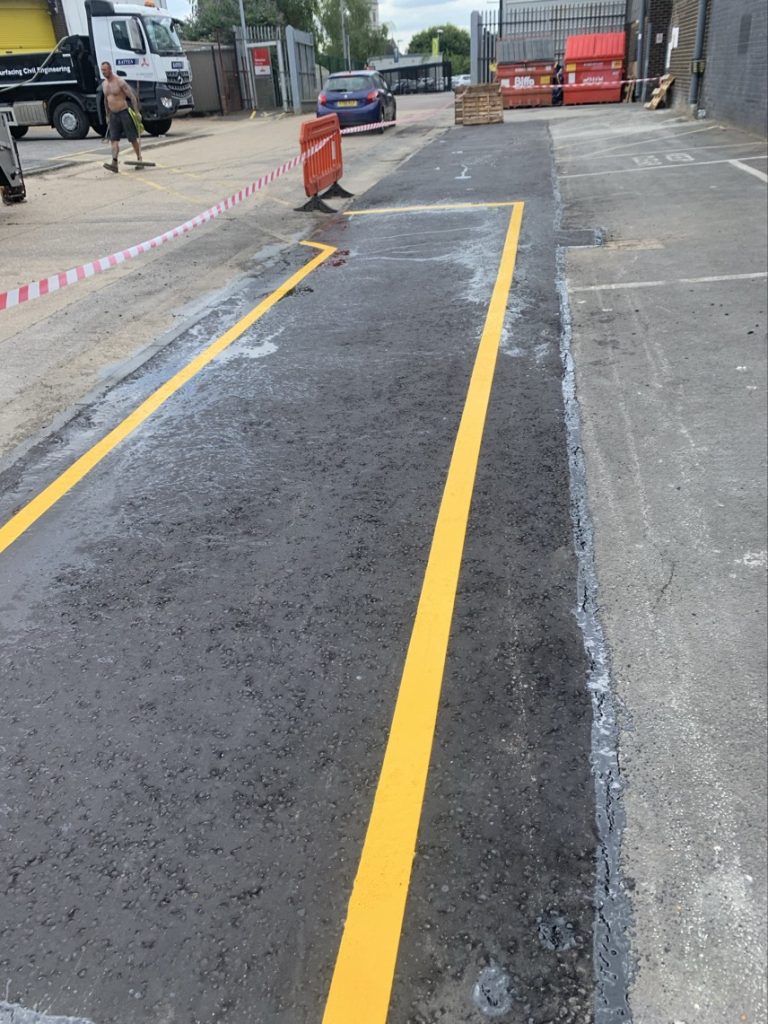
Commercial surfacing projects often include line marking after the surface installation. The survey stage helps identify how the finished area should be organised.
Contractors consider:
• Parking bay arrangements
• Traffic direction
• Loading zones
• Safety areas
• Pedestrian routes
• Accessibility markings
Clear markings improve safety and make commercial spaces easier to use.
The information collected during the survey ensures that the final layout matches the operational requirements of the site.
Businesses requiring professional markings can explore Batten Ltd’s approach to line marking services for commercial environments.
What Information Should a Commercial Surfacing Survey Report Include?
A detailed survey report should provide clear information about the current site condition and recommended works.
A typical report may include:
Existing Surface Condition
The report should describe visible damage, repairs required, and areas requiring attention.
Ground and Foundation Assessment
Information about sub-base conditions helps determine whether repairs or reconstruction are necessary.
Drainage Review
The report should identify current drainage performance and recommended improvements.
Proposed Surfacing Solution
The contractor should explain which materials and construction methods are suitable.
Project Considerations
The report should highlight access issues, safety requirements, and operational challenges.
This information helps clients make informed decisions about their surfacing investment.
How Long Does a Commercial Surfacing Site Survey Take?
The duration of a survey depends on the size and complexity of the project.
A small commercial area may require a short inspection, while larger industrial sites, estates, and road networks require more detailed assessment.
Factors affecting survey time include:
• Site size
• Existing surface condition
• Drainage complexity
• Access requirements
• Traffic levels
• Additional groundwork requirements
A thorough survey is more valuable than a quick inspection because it identifies problems before construction begins.
What Happens After a Commercial Surfacing Site Survey?
After completing the survey, contractors review their findings and prepare the next stage of the project.
The usual process includes:
- Reviewing survey information
- Selecting suitable construction methods
- Preparing a quotation
- Discussing project timelines
- Agreeing construction arrangements
- Beginning preparation and surfacing work
The survey provides the foundation for every stage that follows.
By investing time in assessment and planning, businesses can achieve a more reliable and durable finished surface.
Frequently Asked Questions About Commercial Surfacing Site Surveys
Why do commercial surfacing contractors carry out site surveys?
Commercial surfacing contractors carry out site surveys to understand existing conditions, identify potential problems, measure the area, assess drainage, and recommend the most suitable surfacing solution.
Can a commercial surfacing project be completed without a site survey?
A survey is strongly recommended because surface problems are often caused by underlying issues that cannot be identified through visual inspection alone.
What does a contractor check during a surfacing survey?
Contractors check surface damage, ground conditions, drainage, access, traffic requirements, safety considerations, and future maintenance needs.
Does a site survey increase commercial surfacing costs?
A survey helps control costs by identifying issues early. It reduces the likelihood of unexpected repairs or changes during construction.
How can businesses prepare for a surfacing survey?
Businesses should provide information about site usage, access requirements, operational restrictions, and any known problems with the existing surface.
Choosing the Right Commercial Surfacing Contractor
A successful commercial surfacing project depends on selecting a contractor with experience, technical knowledge, and the ability to manage complex sites.
The right contractor should provide:
• Detailed site assessments
• Clear project recommendations
• Suitable surfacing solutions
• Experienced installation teams
• Understanding of commercial requirements
Batten Ltd works with residential, commercial, and industrial clients to deliver surfacing and groundwork solutions based on site conditions and project requirements.
Their experience in surfacing, groundwork, drainage, and civil engineering allows them to approach projects with a complete understanding of how surfaces perform over time.
Businesses can view their previous work and request project discussions through their Batten Ltd Google Business Profile.
Final Thoughts
A commercial surfacing site survey is the stage that determines how successfully a project will be completed. It provides contractors with essential information about the existing surface, ground conditions, drainage, access requirements, and future usage.
For businesses, this assessment helps prevent avoidable problems and ensures the chosen surfacing solution matches the demands of the site.
A detailed survey creates a clear plan before construction begins, helping deliver a durable surface that supports daily operations, improves safety, and reduces future maintenance requirements.
Share