In this article
- Why Does Commercial Surfacing Need Careful Planning?
- Start With a Detailed Site Assessment
- Understand How the Business Uses the Site
- Identify Critical Access Routes
- Consider Phased Surfacing
- Plan Deliveries Around the Construction Programme
- Plan for HGV and Heavy Vehicle Movements
- Consider Employees and Staff Parking
- Protect Customer Access
- Maintain Safe Pedestrian Routes
- Consider Disabled Access
- Plan Around Business Peak Periods
- Can Commercial Surfacing Be Completed Outside Business Hours?
- Communicate With Employees Before Work Starts
- Communicate With Customers and Visitors
- Notify Suppliers and Contractors
- Plan Drainage Work Before Surfacing
- Do Not Ignore Ground Preparation
- Understand the Different Stages of the Work
- Allow Time for Line Marking
- Keep Emergency Access in the Plan
- Protect Construction Areas
- Consider Weather Conditions
- What Happens if the Project Is Delayed?
- Create a Communication Plan
- Plan Temporary Signage
- Think About the Whole Project, Not Just Surfacing
- Example: Planning Surfacing at a Warehouse
- Example: Planning Surfacing at a Hotel
- Example: Planning Surfacing at an Industrial Yard
- How Much Notice Should a Business Give Before Surfacing Work?
- How Can Businesses Reduce Surfacing Disruption?
- Why Choosing an Experienced Commercial Surfacing Contractor Matters
- Why Choose Batten Civil Engineering Ltd?
- Frequently Asked Questions
- Final Thoughts
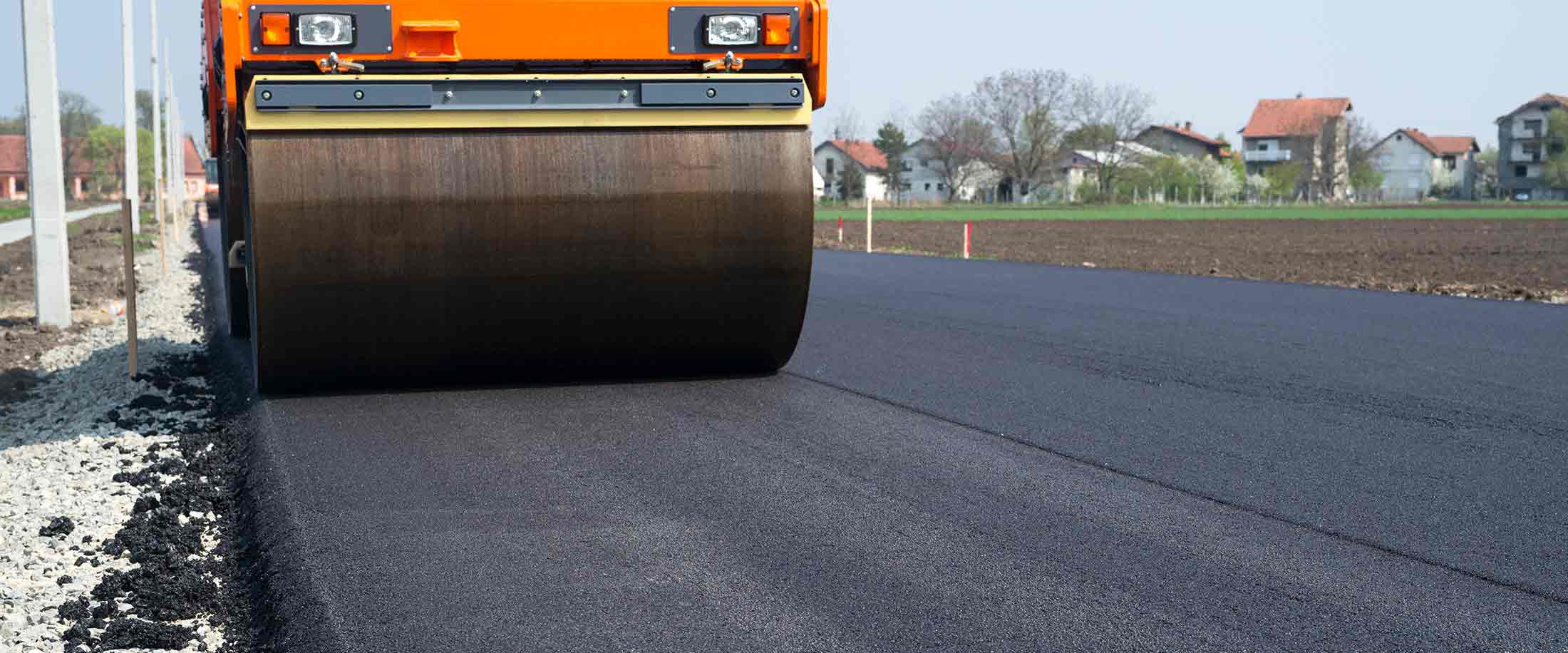
Commercial surfacing work can transform a worn or damaged road, car park, access route or industrial yard, but completing the work without unnecessarily disrupting business operations requires careful planning.
For many businesses, the surface being repaired or resurfaced is also an essential part of daily operations. Customers need to park, employees need access, deliveries need to arrive, contractors need to move around the site and emergency routes need to remain available.
This makes commercial surfacing different from a straightforward residential driveway project.
The most successful projects consider both the physical construction work and the way the business operates. By planning access, traffic movements, working phases, communication, deliveries and contingency arrangements before work starts, businesses can reduce disruption while allowing the contractor to complete the project efficiently.
Whether you manage an office, retail premises, hotel, warehouse, industrial estate, school, commercial development or other busy site, the following guide explains how to plan commercial surfacing work around normal business operations.
Why Does Commercial Surfacing Need Careful Planning?
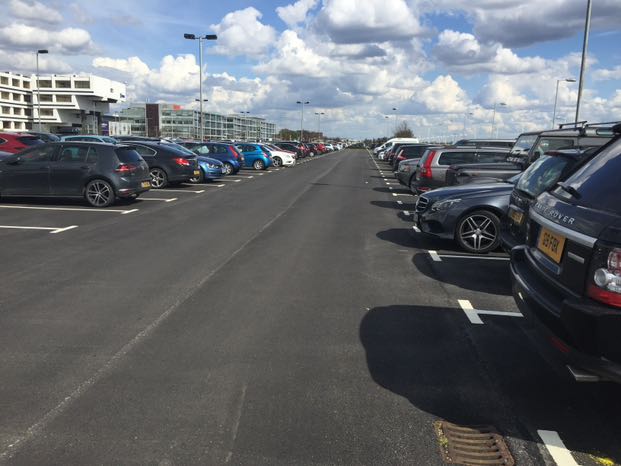
A commercial car park or access road can be a critical part of a business.
Closing it without an alternative plan can create immediate problems.
Depending on the site, surfacing work may affect:
- Customer parking
- Staff parking
- Delivery access
- HGV movements
- Pedestrian routes
- Loading areas
- Visitor access
- Emergency access
- Disabled parking
- Waste collection
- Contractor access
- Public highway connections
The impact can be particularly significant for businesses that operate continuously or have strict delivery schedules.
For example, a warehouse may not be able to stop receiving deliveries simply because its access road is being resurfaced.
Similarly, a hotel may need to maintain guest access throughout the project.
Good planning therefore starts with understanding how the site works on a normal day.
Start With a Detailed Site Assessment
Before deciding when surfacing work should take place, the contractor and business should understand the existing site.
A site assessment can consider:
- Current surface condition
- Traffic movements
- Vehicle types
- Parking requirements
- Drainage
- Ground conditions
- Site entrances
- Loading areas
- Pedestrian routes
- Existing line markings
- Working space
- Access restrictions
- Potential alternative routes
The assessment should identify areas where construction could interfere with normal operations.
Batten Civil Engineering provides commercial road and car park surfacing services and can undertake projects involving roads, car parks, access routes and other commercial surfaces.
Understand How the Business Uses the Site
A contractor needs more information than simply the size of the car park.
The business should explain how the site operates throughout the day.
For example:
- What time do employees arrive?
- When do customers normally visit?
- When are deliveries made?
- What time do HGVs arrive?
- When are loading bays busiest?
- Are there shift changes?
- Are there peak trading periods?
- Does the business operate at weekends?
- Are there events or seasonal periods that affect traffic?
These details can help determine when different parts of the work should take place.
A retail business may have a very different operational pattern from a warehouse or office.
Identify Critical Access Routes
Not every section of a commercial site has the same operational importance.
Some routes may be essential.
For example, a warehouse may have one main HGV entrance. If that entrance is closed, deliveries may effectively stop.
An office may have several entrances and therefore more flexibility.
A hotel may need to maintain access for guests while resurfacing a separate staff parking area.
Before work begins, identify:
- Main entrances
- Secondary entrances
- Emergency access
- Delivery routes
- Pedestrian entrances
- Loading areas
- Customer parking
- Staff parking
This allows the contractor to develop a more practical working sequence.
Consider Phased Surfacing
One of the most effective ways to reduce disruption is to divide a larger project into manageable sections.
Instead of closing the entire site, the contractor may complete one area while another remains operational.
For example, a commercial car park could be divided into:
Phase 1: Rear parking area
Phase 2: Main parking area
Phase 3: Entrance and access road
Phase 4: Line marking and final works
The exact sequence depends on the site.
Phased working can help businesses maintain some parking and access throughout the project.
However, it can also extend the overall programme because the contractor may need to move equipment and work around operational areas.
The best approach is therefore to balance construction efficiency against business requirements.
Plan Deliveries Around the Construction Programme
Deliveries are often one of the biggest considerations for commercial sites.
A delivery vehicle may need a specific turning area, loading bay or access route.
If that area is being resurfaced, an alternative arrangement may be necessary.
Before work starts, provide the contractor with information about:
- Delivery times
- Vehicle sizes
- HGV movements
- Loading requirements
- Supplier schedules
- Waste collections
- Regular contractor visits
Where possible, large deliveries can be scheduled outside the most disruptive stages of the project.
If an alternative entrance is available, suppliers should be informed in advance.
Plan for HGV and Heavy Vehicle Movements
Heavy vehicles need more space and stronger access routes than ordinary cars.
Industrial sites, distribution centres, construction businesses and manufacturing facilities may experience frequent HGV movements.
During surfacing work, temporary routes must be carefully considered.
A temporary route needs to be suitable for the vehicles using it.
Businesses should not assume that any spare area can automatically become an HGV access route.
The ground condition, width, turning space, drainage and surrounding obstacles all need consideration.
Consider Employees and Staff Parking
Employee parking is often overlooked when planning commercial surfacing work.
If a large car park is closed, employees may need to park elsewhere.
Possible alternatives include:
- Temporary parking areas
- Nearby leased spaces
- Off site parking
- Staggered parking arrangements
- Temporary staff access routes
Employees should be told about these arrangements before work starts.
Clear communication can prevent confusion on the first day of construction.
Protect Customer Access
For customer facing businesses, maintaining a good visitor experience can be particularly important.
A car park under construction can look confusing if temporary access arrangements are unclear.
Businesses should consider:
- Temporary signs
- Alternative parking
- Pedestrian routes
- Accessible parking
- Entrance directions
- Temporary barriers
- Clear communication
Customers should be able to understand where they are expected to go without entering active construction areas.
Maintain Safe Pedestrian Routes
Vehicles are not the only consideration.
Employees, customers and visitors may need to walk through or around the site.
Surfacing equipment, construction vehicles, materials and uneven temporary surfaces can create hazards if pedestrian routes are not properly planned.
Businesses should work with the contractor to identify safe pedestrian routes throughout the project.
The Health and Safety Executive provides guidance relating to workplace transport and the safe management of vehicle and pedestrian movement. Businesses can review the HSE workplace transport guidance when planning site access and traffic arrangements.
Consider Disabled Access
Commercial properties should consider how surfacing work affects accessible routes and parking.
Temporary arrangements should account for:
- Accessible parking spaces
- Step free access
- Suitable walking routes
- Building entrances
- Surface condition
- Temporary signage
If disabled parking needs to be temporarily relocated, the alternative should be clearly identified and positioned as conveniently as practical.
Plan Around Business Peak Periods
Timing can make a major difference to disruption.
A business should identify its busiest periods before the contractor finalises the programme.
Examples include:
- Retail sales periods
- Hotel events
- Seasonal trading
- Shift changes
- Weekly delivery schedules
- Monday morning traffic
- Friday afternoon departures
- Special events
A project scheduled during a naturally quiet period may be much easier for the business to manage.
For example, a warehouse that receives most deliveries between 8 am and 2 pm may benefit from having certain works carried out outside those hours where practical.
Can Commercial Surfacing Be Completed Outside Business Hours?
In some situations, working outside normal business hours can reduce disruption.
This could include:
- Early morning work
- Evening work
- Weekend work
- Holiday periods
However, out of hours working may have additional practical considerations.
These can include: - Lighting
- Noise
- Staff availability
- Contractor availability
- Local restrictions
- Additional costs
The most suitable working hours depend on the site and the nature of the work.
Businesses should discuss these requirements with the contractor before the programme is agreed.
Communicate With Employees Before Work Starts
Good communication can make a construction project considerably easier to manage.
Employees should know:
- When work starts
- Which areas are closed
- Where they should park
- Which entrances remain open
- Where pedestrians should walk
- Whether working hours will change
- How deliveries will be handled
Communication can be provided through: - Staff meetings
- Internal notices
- Signage
- Workplace messaging systems
Providing information early gives employees time to adjust.
Communicate With Customers and Visitors
Customer communication may also be necessary.
If parking arrangements are changing, consider informing customers through:
- Website notices
- Booking confirmations
- Social media
- Reception staff
- Temporary signs
The exact approach depends on the business.
For a hotel, customers could be informed before arrival. For a retail site, signs can direct visitors to alternative parking areas.
Notify Suppliers and Contractors
Businesses should also tell regular suppliers about changes to access.
This is particularly important when:
- HGV access changes
- Delivery entrances move
- Loading bays close
- Delivery times change
- Vehicle routes are altered
Suppliers may otherwise arrive at the normal entrance and find that it is unavailable.
Providing clear information in advance can prevent delays.
Plan Drainage Work Before Surfacing
Drainage should be considered before finalising the surfacing programme.
A new surface installed over unresolved drainage problems may deteriorate prematurely.
Existing issues may include:
- Blocked gullies
- Standing water
- Poor surface falls
- Damaged drainage channels
- Settlement
- Water collecting near entrances
If drainage improvements are required, they should be incorporated into the project programme.
Batten’s guidance on how drainage problems damage commercial surfacing and how to prevent them explains why water management is an important part of protecting commercial surfaces.
Do Not Ignore Ground Preparation
Surface preparation can sometimes be more important than the visible resurfacing itself.
If the existing foundation is weak, simply applying a new surface may not provide a durable solution.
Groundwork may involve:
- Excavation
- Removal of unsuitable material
- Sub base preparation
- Compaction
- Drainage installation
- Kerbing
- Level adjustments
Businesses should therefore allow enough time in the programme for preparation work.
Batten’s groundwork and civil engineering services cover supporting construction work that may be required alongside commercial surfacing.
Understand the Different Stages of the Work
A commercial surfacing project may involve several stages.
These can include:
1. Site Assessment
The existing surface, ground and drainage are reviewed.
2. Preparation
Damaged areas are removed or repaired and the foundation is prepared.
3. Drainage and Groundwork
Any required drainage, kerbing or supporting works are completed.
4. Surfacing
The specified surfacing material is installed.
5. Compaction
The new surface is compacted to achieve the required finish and performance.
6. Line Marking
Parking bays, traffic routes and other markings are reinstated or redesigned.
7. Final Inspection
The completed area is checked before reopening.
Understanding these stages makes it easier for the business to coordinate its own operations.
Allow Time for Line Marking
A car park may look finished once the asphalt has been laid, but the project may still require line marking.
Line marking can include:
- Parking bays
- Disabled spaces
- Directional arrows
- Pedestrian routes
- Loading areas
- Hatched zones
- Traffic lanes
- Restricted parking areas
If markings are being redesigned, this should be agreed before the project begins.
Batten provides professional line marking services for commercial roads, car parks, factories, warehouses and other sites.
Keep Emergency Access in the Plan
Emergency access should be considered throughout the project.
Businesses should identify routes that need to remain accessible for emergency services.
Temporary arrangements should never compromise emergency access.
The contractor and site management team should agree how emergency vehicles can enter and move around the site while construction is taking place.
Protect Construction Areas
Active work areas should be clearly separated from operational areas.
Depending on the project, this may involve:
- Barriers
- Cones
- Temporary fencing
- Warning signs
- Traffic management
- Designated pedestrian routes
The exact arrangements depend on the work and site conditions.
The objective is to prevent employees, customers and visitors from accidentally entering active construction areas.
Consider Weather Conditions
Weather can influence the surfacing programme.
Rain, temperature and ground conditions can affect certain construction activities.
A business should therefore allow some flexibility in its operational planning.
If a project is scheduled tightly around an important business event, discuss potential weather delays with the contractor in advance.
Having a contingency plan can prevent a small delay from becoming a major operational problem.
What Happens if the Project Is Delayed?
A good plan should consider possible delays.
Potential causes include:
- Poor weather
- Unexpected ground conditions
- Drainage problems
- Additional repairs
- Material availability
- Access restrictions
- Equipment issues
If the project discovers unexpected problems beneath the existing surface, additional work may be necessary.
For example, excavation could reveal weak ground that was not visible during the initial inspection.
Businesses should understand how such situations will be communicated and how they could affect the programme.
Create a Communication Plan
Assign one person within the business to coordinate with the contractor.
This person can act as the main point of contact for:
- Access
- Deliveries
- Staff communication
- Customer arrangements
- Site changes
- Unexpected issues
Without a clear contact, information can become fragmented.
The contractor may tell one employee about a temporary access change while another team continues using the old route.
A single point of contact can reduce this risk.
Plan Temporary Signage
Temporary signs can help people understand what is happening.
Useful signs may indicate:
- Car park closed
- Alternative parking
- Delivery entrance
- Pedestrian entrance
- Temporary vehicle route
- Construction area
- Disabled parking
- Loading area
Signs should be positioned where people have enough time to react to the instruction.
Think About the Whole Project, Not Just Surfacing
Commercial surfacing may form part of a wider site improvement project.
A business may also need:
- Drainage upgrades
- Kerbing
- Groundwork
- Lighting
- Road signs
- Line marking
- Landscaping
- Access improvements
Combining related work into one planned project can sometimes be more efficient than completing separate projects at different times.
It also reduces the risk of installing a new surface and then having to dig it up later for drainage or other infrastructure.
Example: Planning Surfacing at a Warehouse
Consider a distribution warehouse that operates from Monday to Saturday.
HGV deliveries arrive throughout the working day and employees require a large parking area.
The main entrance road has deteriorated and needs resurfacing.
Closing the entire access road would create significant operational problems.
A suitable plan might involve:
- Completing preparation during quieter periods
- Maintaining one temporary vehicle route
- Resurfacing one section at a time
- Scheduling major HGV deliveries around construction
- Maintaining pedestrian access
- Communicating temporary routes to suppliers
- Completing line marking after the main surfacing work
This approach allows the project to progress while reducing unnecessary interruption.
The exact programme would depend on the site’s physical layout and construction requirements.
Example: Planning Surfacing at a Hotel
A hotel may need to maintain guest access throughout the project.
The property could divide the car park into separate areas.
One section could be closed while another remains available for guests.
Reception staff could explain temporary parking arrangements during check in.
Contractors could also schedule the most disruptive work during quieter periods.
Once the surface is complete, line marking can restore parking bays and traffic routes.
This type of coordination can make a major construction project less disruptive to the guest experience.
Example: Planning Surfacing at an Industrial Yard
An industrial yard may have a combination of HGVs, vans, forklifts and staff vehicles.
The most heavily trafficked areas may be:
- Loading bays
- Entrance roads
- Turning areas
- Warehouse approaches
The contractor can work with the business to identify which areas need priority and which can be temporarily used for traffic.
If drainage improvements are required, they can be scheduled alongside groundwork before the final surface is installed.
How Much Notice Should a Business Give Before Surfacing Work?
There is no universal notice period because every project is different.
Larger or more complex sites generally need more planning because they involve more stakeholders and operational restrictions.
Businesses should allow time for:
- Site assessment
- Quotation
- Design and specification
- Contractor scheduling
- Staff communication
- Customer communication
- Supplier notification
- Temporary parking arrangements
- Traffic management
- Weather contingency
Starting the planning process early gives the business more flexibility.
How Can Businesses Reduce Surfacing Disruption?
The following checklist can help:
Before work begins:
- Assess the existing surface
- Identify drainage problems
- Map traffic routes
- Identify critical access
- Review delivery schedules
- Identify peak business periods
- Plan alternative parking
- Agree working hours
- Notify employees
- Notify customers where necessary
- Notify suppliers
- Plan pedestrian routes
- Confirm emergency access
During the work: - Keep temporary routes clearly marked
- Maintain communication with the contractor
- Monitor customer and staff access
- Keep construction areas separated
- Adjust delivery arrangements when necessary
- Communicate unexpected changes quickly
After completion: - Inspect the finished surface
- Confirm drainage is working
- Reinstate line markings
- Remove temporary signage
- Reopen areas only when appropriate
- Schedule routine maintenance inspections
Why Choosing an Experienced Commercial Surfacing Contractor Matters
Commercial surfacing is more complex when a business needs to remain operational during construction.
An experienced contractor should understand that the project involves more than laying asphalt.
They need to consider:
- Traffic management
- Ground preparation
- Drainage
- Working phases
- Vehicle access
- Site safety
- Construction equipment
- Business requirements
- Final line marking
A contractor who understands commercial operations can help identify potential problems before work begins.
Why Choose Batten Civil Engineering Ltd?
Batten Civil Engineering Ltd has provided surfacing and civil engineering solutions since 1993 and works across Sussex, Surrey, Kent and London.
The company specialises in commercial and residential surfacing and provides services covering roads, car parks, groundwork, civil engineering, patching and line marking.
Its experience across different commercial environments means projects can be considered in the context of the wider site rather than simply the visible surface.
Batten also states that it has completed more than 10,000 jobs and that 90% of its business comes from repeat clients and referrals.
For businesses considering commercial surfacing work, you can view Batten Civil Engineering Ltd on Google for local business information.
Frequently Asked Questions
How can commercial surfacing work be completed without closing the whole site?
Large projects can sometimes be divided into phases so that one section is worked on while another remains operational. The feasibility of phased working depends on the site’s layout, traffic and construction requirements.
Should a business close its car park during resurfacing?
Not necessarily. Partial closures and phased working may allow some parking to remain available, although certain stages may require temporary closure for safety and construction reasons.
Can commercial surfacing be completed outside normal business hours?
In some circumstances, evening, early morning or weekend working can reduce disruption. The suitability and cost depend on the project, site and local conditions.
How should deliveries be managed during commercial surfacing?
Delivery schedules should be reviewed before work starts. Alternative entrances, temporary routes or adjusted delivery times may be possible depending on the site.
What happens if the contractor discovers poor ground conditions?
Unexpected ground conditions may require additional preparation or reconstruction. The business should agree how unexpected issues will be communicated and managed before work starts.
Does drainage need to be checked before resurfacing?
Yes. Drainage problems can contribute to surface failure. Existing gullies, channels, levels and areas of standing water should be assessed before resurfacing.
How can employees be informed about temporary parking?
Businesses can use internal emails, notices, staff meetings and temporary signage to explain where employees should park and which routes remain available.
How can customers be informed about temporary access?
Depending on the business, communication can include website notices, booking information, email, social media, reception staff and clear temporary signs.
Should line marking be included in the surfacing plan?
Yes. If a car park or commercial road requires new or replacement markings, line marking should be included in the overall programme rather than treated as an afterthought.
How early should a business start planning commercial surfacing?
The earlier the better, particularly for large or complex sites. Allow time for assessment, quotations, contractor scheduling, communication, traffic planning and possible weather delays.
Final Thoughts
Commercial surfacing work does not have to bring normal business operations to a complete standstill.
The key is planning the project around the way the business actually operates.
By identifying critical access routes, understanding delivery schedules, considering peak periods, planning alternative parking, maintaining safe pedestrian routes and using phased working where practical, businesses can reduce unnecessary disruption.
Drainage and ground preparation should also be considered before resurfacing begins. A new surface is unlikely to provide a durable result if underlying drainage or foundation problems are left unresolved.
Clear communication is equally important. Employees, customers, suppliers and contractors should know what is changing and when.
The best commercial surfacing projects balance construction requirements with operational needs.
If your business is planning to resurface a commercial car park, industrial yard, access road or other busy area, Batten Civil Engineering Ltd can help assess the site and develop a practical approach to the required groundwork and surfacing.
Contact Batten Civil Engineering Ltd today to discuss your commercial surfacing requirements and find a practical way to complete the work while keeping your business moving.
Share