In this article
- Why Groundwork Is the Foundation of Every Development
- Why Drainage Systems Matter So Much
- Poor Groundwork Can Create Expensive Problems
- Housing Developments Depend on Long-Term Infrastructure Performance
- Why South East England Presents Unique Challenges
- Reliable Drainage Helps Protect Property Value
- Why Safety Standards Matter in Groundwork Projects
- The Importance of Integrated Infrastructure Services
- Why Developers Prioritise Experienced Civil Engineering Contractors
- Modern Housing Developments Require Future-Proof Infrastructure
- Conclusion
- Frequently Asked Questions
Every successful housing development starts long before homes are built. Beneath roads, driveways, pavements, and foundations lies one of the most important parts of the entire project, reliable groundwork and drainage infrastructure.
When drainage and groundwork are designed and installed correctly, housing developments operate safely, efficiently, and sustainably for decades. However, when these systems fail or are poorly planned, the consequences can be extremely costly.
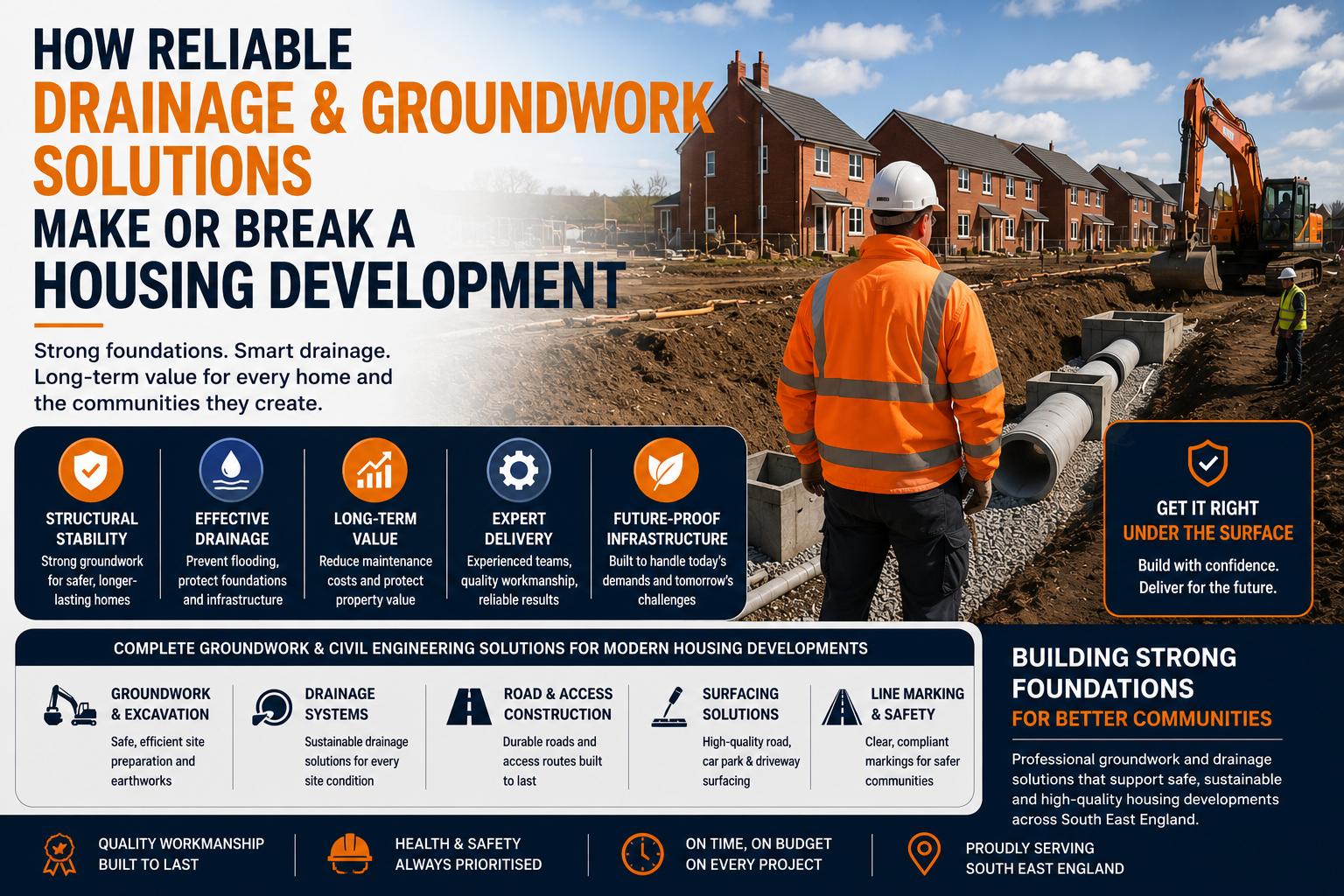
Across South East England, developers increasingly recognise that proper groundwork and drainage solutions directly affect structural performance, safety, project timelines, maintenance costs, and long-term property value.
Companies such as Batten Civil Engineering Ltd support housing developments through specialist groundwork, drainage, surfacing, and civil engineering solutions tailored to residential and commercial infrastructure projects.
Why Groundwork Is the Foundation of Every Development
Groundwork is one of the earliest and most important stages of any housing project.
Before construction can progress, the site must be prepared properly to support:
- Foundations
- Roads and access routes
- Utility infrastructure
- Drainage systems
- Long-term structural stability
Professional groundwork and civil engineering services help ensure developments are structurally prepared from the beginning rather than creating problems later.
Without strong groundwork, even well-designed housing developments can experience serious long-term issues.
Why Drainage Systems Matter So Much
Drainage infrastructure plays a major role in protecting both homes and surrounding infrastructure from water damage and flooding.
Effective drainage systems help manage:
| Drainage Function | Why It Matters |
| Surface water runoff | Prevents flooding and pooling |
| Foundation protection | Reduces structural movement |
| Road drainage | Protects surfaces from deterioration |
| Water flow control | Improves long-term site stability |
As housing density increases across the UK, effective drainage planning has become more important than ever.
According to UK flood and construction guidance, poor drainage can contribute to structural damage, waterlogging, and infrastructure deterioration if not managed correctly. UK Government flood and drainage guidance
Poor Groundwork Can Create Expensive Problems
Groundwork failures often do not become visible immediately.
However, over time, poorly prepared sites may develop:
- Cracked roads and surfaces
- Standing water and flooding
- Uneven settlement
- Foundation movement
- Surface deterioration
These problems can affect homeowners, developers, and local authorities long after construction has finished.
This is why experienced civil engineering contractors focus heavily on site preparation, drainage design, and infrastructure durability from the earliest project stages.
Housing Developments Depend on Long-Term Infrastructure Performance
Modern housing developments are expected to support large volumes of daily traffic, drainage demand, pedestrian movement, and utility infrastructure for many years.
Reliable groundwork helps ensure:
- Roads remain structurally stable
- Drainage systems continue functioning properly
- Access routes remain safe
- Future maintenance costs are reduced
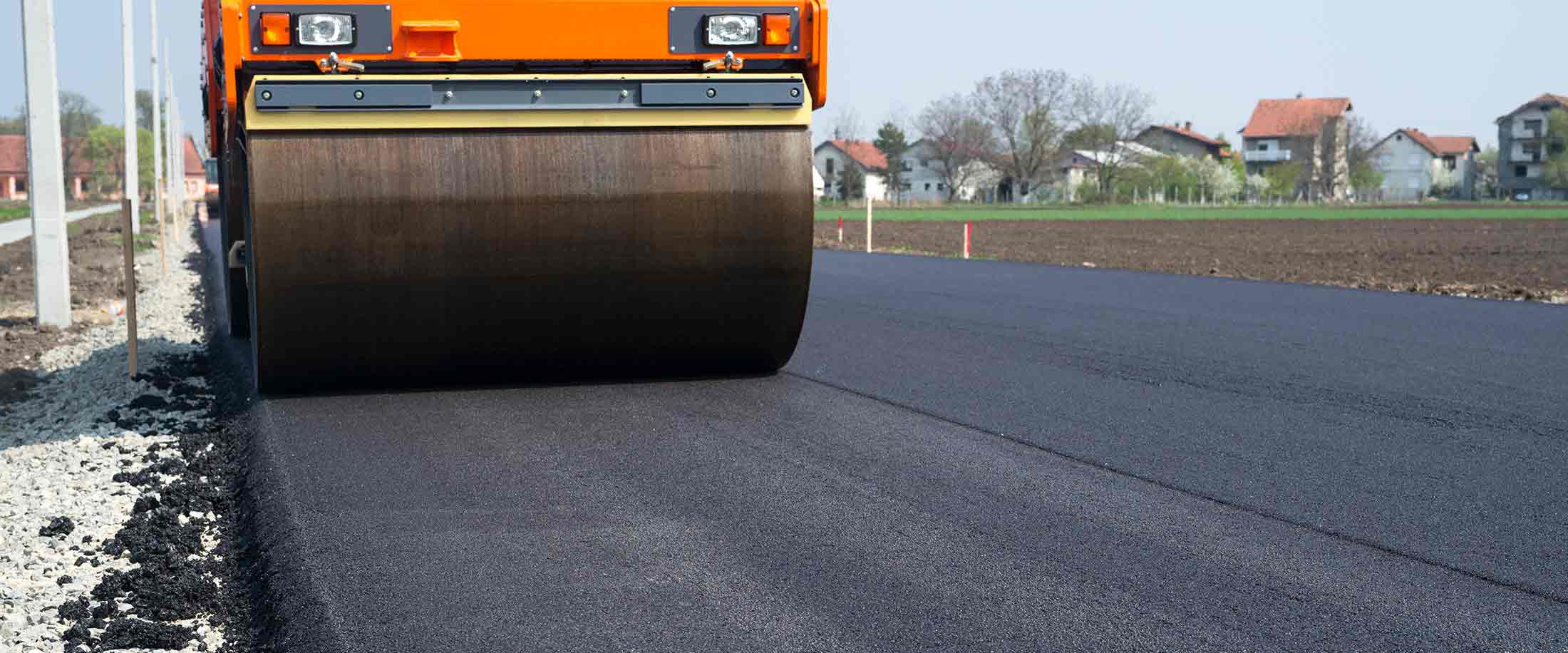
Specialist road and car park surfacing services also play an important role in protecting long-term infrastructure quality throughout residential developments.
Without durable infrastructure beneath the surface, visible surfaces deteriorate much faster.
Why South East England Presents Unique Challenges
Ground conditions across South East England can vary significantly depending on location.
Developers often face challenges involving:
- Clay-heavy soils
- Surface water runoff
- Coastal weather exposure
- High-density housing requirements
- Existing infrastructure limitations
Because of these factors, drainage and groundwork solutions usually need to be tailored carefully to the site itself rather than using identical approaches everywhere.
Local civil engineering experience helps contractors identify potential issues before they become major structural or drainage problems later.
Reliable Drainage Helps Protect Property Value
Homeowners rarely think about drainage systems until problems appear.
However, poor drainage can seriously affect:
- Property usability
- Road conditions
- Surface appearance
- Structural integrity
- Long-term property value
Flooding or recurring standing water can also damage buyer confidence within housing developments.
According to property and flood-risk guidance, effective drainage and flood management are increasingly important for protecting residential property value and infrastructure resilience. Environment Agency flood guidance
This is why developers increasingly prioritise drainage quality during early construction phases.
Why Safety Standards Matter in Groundwork Projects
Groundwork and drainage operations involve excavation work, heavy machinery, underground utilities, and live construction environments.
Strong safety procedures help:
- Protect workers and site personnel
- Reduce delays and incidents
- Maintain compliance standards
- Improve project efficiency
Professional civil engineering firms integrate safety management into every stage of groundwork operations rather than treating it as a separate process.
This approach helps projects run more smoothly while reducing operational risk.
The Importance of Integrated Infrastructure Services
Many housing developments now prefer contractors capable of delivering multiple infrastructure services together.
This may include:
| Integrated Service | Development Benefit |
| Groundwork and drainage | Stronger site preparation |
| Road surfacing | Improved infrastructure durability |
| Driveways and access routes | Better usability and appearance |
| Line marking | Safer traffic management |
| Property development support | Better project coordination |
Integrated infrastructure solutions often reduce coordination problems between contractors while improving efficiency across the entire project.
Professional property development services help ensure groundwork and infrastructure remain aligned with wider construction requirements.
Why Developers Prioritise Experienced Civil Engineering Contractors
Housing developments involve large investments, strict deadlines, and long-term infrastructure responsibilities.
Experienced contractors help developers by:
- Identifying site risks early
- Coordinating groundwork efficiently
- Delivering drainage systems properly
- Reducing future remediation costs
- Supporting long-term infrastructure reliability
Developers often review previous civil engineering case studies to evaluate project quality and infrastructure experience before selecting a contractor.
This becomes especially important for larger residential developments where infrastructure performance affects the entire community.
Modern Housing Developments Require Future-Proof Infrastructure
As weather patterns change and housing density increases, developments must be built to withstand greater infrastructure pressure over time.
Reliable drainage and groundwork systems help developments remain resilient against:
- Heavy rainfall
- Surface flooding
- Increased traffic use
- Long-term structural wear
Industry infrastructure guidance increasingly highlights sustainable drainage and durable groundwork as major priorities for future residential development planning. CIRIA sustainable drainage guidance
This makes quality civil engineering more important than ever for modern housing projects.
Conclusion
Reliable drainage and groundwork solutions are among the most important factors determining whether a housing development succeeds or struggles long term.
From site preparation and drainage systems to roads, surfacing, and infrastructure durability, proper groundwork helps protect property value, reduce maintenance costs, improve safety, and support long-term structural performance.
For developers across South East England, experienced civil engineering contractors play a vital role in creating infrastructure capable of supporting modern residential communities safely and efficiently for years to come.
Frequently Asked Questions
Why is groundwork important in housing developments?
Groundwork creates the structural foundation for roads, drainage systems, utilities, and buildings.
What problems can poor drainage cause?
Poor drainage can lead to flooding, standing water, structural damage, and road deterioration.
Why are drainage systems important for property value?
Reliable drainage helps prevent flooding and infrastructure problems that may negatively affect property appeal and long-term value.
What services are included in groundwork and civil engineering?
Services often include excavation, drainage installation, road preparation, foundations, surfacing, and infrastructure support.
Who provides groundwork and drainage solutions in South East England?
Batten Civil Engineering Ltd provides groundwork, drainage, surfacing, and civil engineering solutions for housing developments across South East England.
Share