In this article
- What Is the Difference Between Commercial Car Park Repairs and Resurfacing?
- Repeated Repairs Are a Sign Your Car Park May Need Resurfacing
- Large Areas of Cracking Indicate Surface Failure
- Potholes Continue to Appear After Repairs
- Uneven Surfaces Create Safety and Accessibility Problems
- Standing Water Indicates Drainage or Surface Problems
- The Surface Looks Worn Despite Regular Maintenance
- Repair Costs Are Becoming More Frequent and Less Effective
- The Car Park Has Reached the End of Its Service Life
- Heavy Vehicle Use Is Damaging the Existing Surface
- Poor Surface Appearance Is Affecting Business Image
- Vehicle Movement Is Becoming Difficult
- What Contractors Assess Before Recommending Car Park Resurfacing
- How Commercial Car Park Resurfacing Improves Long Term Performance
- How the Commercial Car Park Resurfacing Process Works
- Why Professional Assessment Is Better Than Temporary Repairs
- Frequently Asked Questions
- Choosing a Commercial Surfacing Contractor
- Final Thoughts
A commercial car park does more than provide vehicle space. It supports daily business operations, manages traffic movement, protects visitors and employees, and creates the first impression customers have when arriving at a site. When the surface begins to deteriorate, deciding between repairs and complete resurfacing becomes an important maintenance decision.
Small cracks, potholes, and damaged areas can often be repaired when the underlying surface remains strong. However, repeated damage, widespread deterioration, and structural problems usually indicate that temporary repairs are no longer the most effective solution.
Understanding the signs that a commercial car park needs resurfacing rather than repairs helps businesses avoid recurring maintenance costs, safety issues, and disruption caused by surface failure.
What Is the Difference Between Commercial Car Park Repairs and Resurfacing?
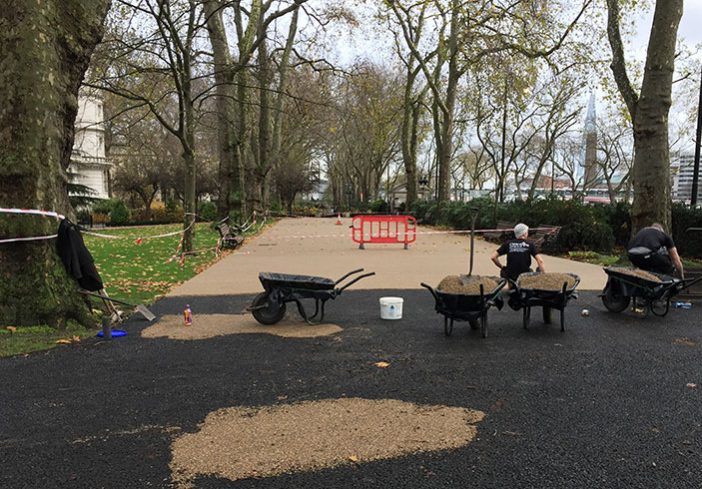
Commercial car park repairs are designed to fix localised problems. They are suitable when damage affects small sections of the surface and the overall structure remains stable.
Typical repairs include:
- Filling potholes
• Repairing isolated cracks
• Replacing damaged sections
• Patching small worn areas
• Restoring minor surface defects
Repairs can extend the life of a car park when the damage is limited.
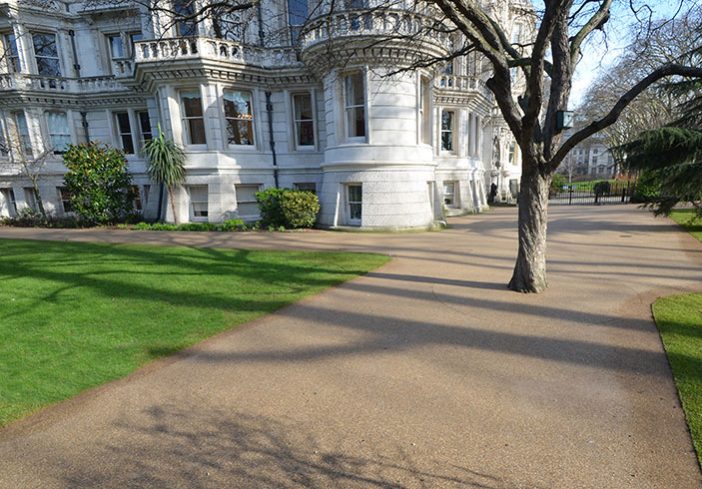
Commercial car park resurfacing is a more comprehensive solution. It involves preparing the existing surface and applying a new wearing layer across a larger area. In some cases, additional groundwork may be required if the foundation beneath the surface has deteriorated.
Resurfacing is usually considered when:
- Damage covers large areas
• Repairs are becoming frequent
• The surface is reaching the end of its service life
• Drainage problems are affecting performance
• The appearance no longer meets business standards
A professional assessment is needed to determine whether repairs are sufficient or whether resurfacing provides better long term value.
Repeated Repairs Are a Sign Your Car Park May Need Resurfacing
One of the clearest signs that a commercial car park needs resurfacing is the repeated need for repairs.
A pothole repaired several times may indicate that the problem is deeper than the visible damage. If the underlying layers are weakened, temporary repairs will only address the surface issue rather than the cause.
Frequent maintenance can create several problems:
- Increasing repair costs
• Disruption to site users
• Inconsistent surface appearance
• Reduced confidence in the car park condition
When repairs become a regular requirement, businesses should consider whether investing in resurfacing would provide a more reliable solution.
A properly planned resurfacing project can restore the surface condition and reduce the need for repeated patching.
Large Areas of Cracking Indicate Surface Failure
Cracking is one of the most common warning signs of car park deterioration. While small cracks may be repaired, widespread cracking often suggests that the surface structure has weakened.
Commercial car parks experience significant pressure from:
- Daily vehicle movements
• Delivery vehicles
• Heavy loads
• Weather conditions
• Temperature changes
Over time, these factors can cause the surface materials to break down.
Different types of cracks can indicate different issues:
Surface Cracks
Minor surface cracks may only affect the top layer and can sometimes be repaired.
Deep Structural Cracks
Large cracks that extend through the surface may indicate problems with the foundation layers. These often require more extensive work.
Network Cracking
Multiple connected cracks across a large area usually suggest widespread deterioration and may require resurfacing.
Ignoring cracking allows water to enter the surface, which can accelerate damage and lead to potholes.
Potholes Continue to Appear After Repairs
Potholes are not only an inconvenience. They can create safety risks for drivers, pedestrians, and vehicles.
A pothole develops when water enters damaged areas and weakens the materials beneath the surface. Repeated vehicle pressure then causes the area to break away.
If a commercial car park continues developing potholes after repairs, it may indicate:
- Weak foundation layers
• Poor drainage
• Surface ageing
• Widespread material failure
Repairing individual potholes may solve the immediate issue, but resurfacing may be the better option when multiple areas are affected.
A new surface layer combined with proper preparation can provide improved strength and a more consistent finish.
Uneven Surfaces Create Safety and Accessibility Problems
A commercial car park should provide a stable and predictable surface for vehicles and pedestrians.
Uneven areas can develop due to:
- Ground movement
• Poor installation
• Water damage
• Foundation failure
• Heavy vehicle pressure
Surface unevenness can create:
- Trip hazards
• Poor vehicle movement
• Standing water areas
• Accessibility difficulties
For businesses, maintaining a safe environment is essential. Uneven surfaces may create problems for customers, employees, and visitors using the site.
Resurfacing can help restore a smoother and safer surface when deterioration has affected large sections of the car park.
Standing Water Indicates Drainage or Surface Problems
Water management plays a major role in the lifespan of any commercial car park.
After rainfall, water should drain efficiently away from the surface. Persistent standing water can indicate:
- Incorrect surface levels
• Blocked drainage systems
• Damaged drainage channels
• Surface settlement
• Poor installation
Water left on the surface can accelerate deterioration by entering cracks and weakening underlying materials.
Before recommending resurfacing, contractors assess drainage conditions to identify whether improvements are required.
A resurfaced car park should not only improve appearance but also address the causes of previous damage.
For commercial properties, sustainable drainage considerations are increasingly important. Guidance on managing surface water can be found through GOV.UK Sustainable drainage systems guidance.
The Surface Looks Worn Despite Regular Maintenance
Appearance is an important consideration for commercial properties. A damaged or worn car park can affect how customers and visitors perceive a business.
Signs of surface ageing include:
- Faded appearance
• Loose surface materials
• General deterioration across the area
• Multiple repaired sections
• Uneven colour and texture
Regular cleaning and small repairs can maintain a car park, but they cannot restore an ageing surface that has reached the end of its useful life.
Resurfacing provides an opportunity to improve both performance and appearance while creating a more professional environment for site users.
Batten Ltd provides commercial surfacing solutions designed for businesses requiring durable and practical car park improvements. Their experience includes surfacing, groundwork, drainage, and related civil engineering services. More details can be found through their road and car park surfacing services.
Repair Costs Are Becoming More Frequent and Less Effective
A common mistake businesses make is continuing with repeated repairs without assessing the overall condition of the car park. While repairs may appear cheaper in the short term, frequent maintenance can become more expensive over time.
When the same areas require attention repeatedly, it usually indicates that the underlying issue has not been resolved.
Signs that repair costs may no longer be providing value include:
• Multiple repair visits within a short period
• Increasing numbers of damaged areas
• Repairs failing after a limited time
• Different sections requiring attention each year
• Growing maintenance budgets
A professional commercial surfacing assessment can help determine whether continuing repairs is practical or whether resurfacing would provide a longer lasting solution.
For many businesses, investing in resurfacing at the right time reduces ongoing maintenance requirements and creates a more reliable surface for daily use.
The Car Park Has Reached the End of Its Service Life
Every commercial car park has a practical service life. The lifespan depends on several factors, including construction quality, traffic levels, weather exposure, maintenance history, and drainage performance.
Even well installed surfaces eventually begin to deteriorate.
Signs that a car park may be approaching the end of its service life include:
• Widespread cracking
• Surface weakening
• Loss of texture
• Repeated repairs
• Reduced resistance to vehicle traffic
• General deterioration across the site
Once a surface reaches this stage, repairs may only provide temporary improvements. Resurfacing can restore the upper surface layer and improve the overall condition of the car park.
A planned resurfacing project also allows businesses to address issues before more serious structural problems develop.
Heavy Vehicle Use Is Damaging the Existing Surface
Commercial car parks experience different levels of pressure depending on how they are used.
A small office car park with light vehicle movements will place less stress on a surface compared with:
• Industrial facilities
• Warehouses
• Distribution centres
• Retail parks
• Construction sites
• Commercial yards
Heavy vehicles create greater pressure on the surface structure. Over time, this can lead to rutting, cracking, and surface breakdown.
If a car park is being used for heavier traffic than originally intended, resurfacing may be required to create a stronger surface suitable for current demands.
A professional contractor will assess vehicle movements during the site survey and recommend a solution based on actual usage rather than assumptions.
Poor Surface Appearance Is Affecting Business Image
The condition of a commercial car park influences how customers, employees, and visitors view a business.
A damaged surface with potholes, faded areas, and repeated repair patches can create a neglected appearance.
For businesses such as:
• Retail locations
• Hotels
• Offices
• Healthcare facilities
• Educational sites
the external environment forms part of the overall customer experience.
Resurfacing can improve the appearance of the site while also improving safety and usability.
A professionally finished surface combined with clear line markings creates a cleaner and more organised commercial environment.
Businesses requiring professional markings after resurfacing can explore Batten Ltd’s line marking services for commercial applications.
Vehicle Movement Is Becoming Difficult
A commercial car park should allow vehicles to move safely and efficiently.
Surface problems can affect:
• Parking manoeuvres
• Delivery vehicle access
• Traffic flow
• Pedestrian movement
• Emergency access routes
Large depressions, uneven areas, and surface damage can make navigation difficult, especially for larger vehicles.
When surface problems begin affecting daily operations, resurfacing should be considered as a long term improvement rather than continuing with isolated repairs.
A properly planned resurfacing project can improve traffic flow and create a safer environment for all users.
What Contractors Assess Before Recommending Car Park Resurfacing
A professional contractor does not recommend resurfacing without assessing the site conditions first. A detailed survey helps determine the most suitable approach.
Key assessment areas include:
Existing Surface Condition
Contractors inspect visible damage, cracking patterns, worn areas, and previous repairs to understand the current condition.
Ground Stability
The layers beneath the surface provide structural support. Weak foundations may require additional preparation before resurfacing.
Drainage Performance
Poor drainage can reduce the lifespan of a new surface. Contractors assess whether existing drainage systems are functioning correctly.
Traffic Requirements
The expected vehicle usage affects material selection and construction methods.
Future Site Requirements
Contractors consider whether the site may experience increased traffic, expansion, or changes in usage.
This assessment process helps ensure that resurfacing provides a suitable long term solution.
How Commercial Car Park Resurfacing Improves Long Term Performance
Resurfacing provides several benefits when a car park has reached a stage where repairs are no longer effective.
Key benefits include:
Improved Surface Strength
A new surface layer provides improved resistance against vehicle movements and daily wear.
Reduced Maintenance Requirements
A properly planned resurfacing project can reduce the frequency of repairs required in the future.
Better Safety
A smoother surface reduces hazards caused by potholes, uneven areas, and damaged sections.
Improved Appearance
A new surface creates a cleaner and more professional appearance for visitors and staff.
Increased Site Value
A well maintained commercial property benefits from attractive and functional external areas.
For commercial property owners, resurfacing is not only a repair solution. It is an investment in the usability and performance of the site.
How the Commercial Car Park Resurfacing Process Works
Understanding the resurfacing process helps businesses prepare for the project.
Site Assessment
The first stage involves inspecting the existing car park and identifying problems affecting performance.
Surface Preparation
Before new materials are installed, damaged areas may need repairs, cleaning, excavation, or groundwork improvements.
Installation of New Surfacing
The selected surfacing material is installed according to the project requirements.
Line Marking and Finishing Work
Once the surface has been completed, line markings, parking layouts, and final details can be added.
A structured approach ensures the finished car park meets safety, durability, and operational requirements.
Why Professional Assessment Is Better Than Temporary Repairs
It can be tempting to choose quick repairs whenever damage appears. However, repeated temporary fixes may delay necessary improvements.
Professional assessment provides a clearer understanding of:
• Why damage is occurring
• Whether repairs are suitable
• When resurfacing is required
• What preparation work is needed
• How to prevent future problems
This approach helps businesses make informed decisions based on the actual condition of their car park.
Frequently Asked Questions
How do I know if my commercial car park needs resurfacing?
A commercial car park may need resurfacing when it has widespread cracking, repeated potholes, drainage problems, uneven areas, or frequent repair requirements.
Are car park repairs cheaper than resurfacing?
Individual repairs may cost less initially, but repeated repairs can become expensive when the underlying surface is deteriorating. Resurfacing may provide better long term value.
How often should a commercial car park be resurfaced?
The lifespan depends on traffic levels, installation quality, maintenance, drainage, and weather conditions. Regular inspections help identify when resurfacing is required.
Can resurfacing fix drainage problems?
Resurfacing can improve surface performance, but drainage issues should be assessed and corrected as part of the overall project.
Can businesses continue operating during car park resurfacing?
Many projects can be planned in phases to reduce disruption. Contractors assess access requirements and operational needs before work begins.
Choosing a Commercial Surfacing Contractor
Selecting the right contractor is important because the quality of preparation and installation directly affects how long the surface performs.
Businesses should look for a contractor with:
• Experience with commercial projects
• Knowledge of groundwork and drainage
• Ability to manage site access requirements
• Clear project planning
• Quality workmanship
Batten Ltd delivers surfacing and civil engineering solutions for commercial and residential clients, providing practical recommendations based on each site’s requirements.
Their services include road surfacing, car parks, groundwork, drainage solutions, and related construction works.
Businesses can view their location details, reviews, and contact information through their Batten Ltd Google Business Profile.
Final Thoughts
Knowing when a commercial car park needs resurfacing rather than repairs helps businesses avoid repeated maintenance costs and ongoing surface problems.
Small areas of damage can often be repaired, but widespread deterioration, recurring potholes, drainage problems, and structural issues usually indicate that a larger solution is required.
A professional site assessment provides the information needed to choose the right approach. By addressing problems before they become severe, businesses can maintain safer access, improve appearance, and create a durable surface that supports daily operations.
Share